The short version: the best noise reduction headphones for airplanes for most travelers are the Sony WH-1000XM6 — 30 hours of battery with ANC on, a 12-microphone QN3 noise-cancelling system, a foldable design that fits in a seatback pocket, and multipoint Bluetooth for your phone and laptop at once, at a $449.99 MSRP. If comfort on 10+ hour flights is your priority, the Bose QuietComfort Ultra Headphones (2nd Gen) bring Bose's legendary comfort with 30-hour battery and spatial audio. The Sennheiser Momentum 4 doubles the battery to 60 hours and ships with an airplane adapter in the box. Apple travelers get the AirPods Pro 3 earbuds ($249, 8-hour ANC battery, IP57). And the Soundcore Space Q45 delivers 50 hours of ANC playback at a $149.99 MSRP for budget flyers.
Scope note (this guide vs our sibling guides): This guide is flight-specific: noise reduction headphones chosen for cabin noise, long-haul comfort, battery endurance, and seatback compatibility. For the broader category, see (best noise cancelling headphones overall), (Sony WH-1000XM6 deep dive), (Bose QuietComfort headphones), (best budget noise cancelling headphones), and (Sennheiser Momentum line).
The Direct Answer: What Are the Best Noise Reduction Headphones for Airplanes?
If you want one answer: the Sony WH-1000XM6 is the best noise reduction headphone for airplanes for most travelers. Airplane cabins sit around 80–85 decibels of constant low-frequency engine drone, and the XM6's QN3 processor with 12 microphones is specifically architected to cancel that frequency band. Thirty hours of battery with ANC on covers even the longest commercial routes (Singapore–New York is under 19 hours), the foldable design packs smaller than its predecessor, and multipoint Bluetooth keeps you connected to your phone and laptop simultaneously — the exact setup frequent flyers use.
The runner-up answers depend on your priority:
- Want maximum comfort on ultra-long-haul flights? The Bose QuietComfort Ultra Headphones (2nd Gen) — Bose's comfort-first design with 30-hour battery and immersive spatial audio.
- Want to never think about charging? The Sennheiser Momentum 4 — 60 hours with ANC on, plus an airplane adapter included in the box.
- Want earbuds instead of over-ears? The Apple AirPods Pro 3 — 8 hours of ANC per charge, IP57 rated, and tiny enough to sleep in.
- Want the best value? The Soundcore Space Q45 — 50 hours of ANC playback at a $149.99 MSRP.
The honest framing: every pick here is chosen for the flight use case — low-frequency engine-noise cancellation, multi-hour comfort, battery that outlasts the route, and a way to hear the seatback screen. A great office headphone that dies at hour 8 or can't connect to the armrest jack is the wrong answer at 35,000 feet.
Quick Picks
Short on time? These are our top recommendations.
Best Noise Reduction Headphones for Airplanes: Comparison Table
| Headphone | ANC system | Battery (ANC on) | Weight | Foldable | Seatback-ready | Price anchor (sourced) |
|---|---|---|---|---|---|---|
| Sony WH-1000XM6 | QN3, 12 mics | 30 hours | 254 g | Yes | Via included 3.5mm cable | $449.99 MSRP |
| Bose QC Ultra (2nd Gen) | Adjustable ANC | 30 hours | ~264 g | Yes | Via included 3.5mm cable | $449 (provisional) |
| Sennheiser Momentum 4 | Adaptive ANC | 60 hours | 293 g | Flat-folding | Airplane adapter in box | $349.95 MSRP |
| Apple AirPods Pro 3 | 2× Pro 2 ANC | 8 hours (+24h case) | ~5.3 g/bud | N/A (earbuds) | Bluetooth only (no wired jack) | $249 launch price |
| Soundcore Space Q45 | Adaptive ANC | 50 hours | ~293 g | Yes | Via included 3.5mm cable | $149.99 MSRP |
Battery, weight, and ANC figures are manufacturer or review-documented specifications (see product-research.md). Prices shown are sourced list/MSRP or launch figures — never invented by us. "Provisional" means the figure comes from a retailer/press source and should be re-verified on the live listing before publication. Street prices change frequently; verify the exact variant on the live Amazon listing before buying. Same-ASIN-variant rule applies: each Amazon link we publish will resolve to the exact model reviewed here.
Detailed Reviews: The 5 Best Noise Reduction Headphones for Airplanes
1. Sony WH-1000XM6 — Best Overall for Flights
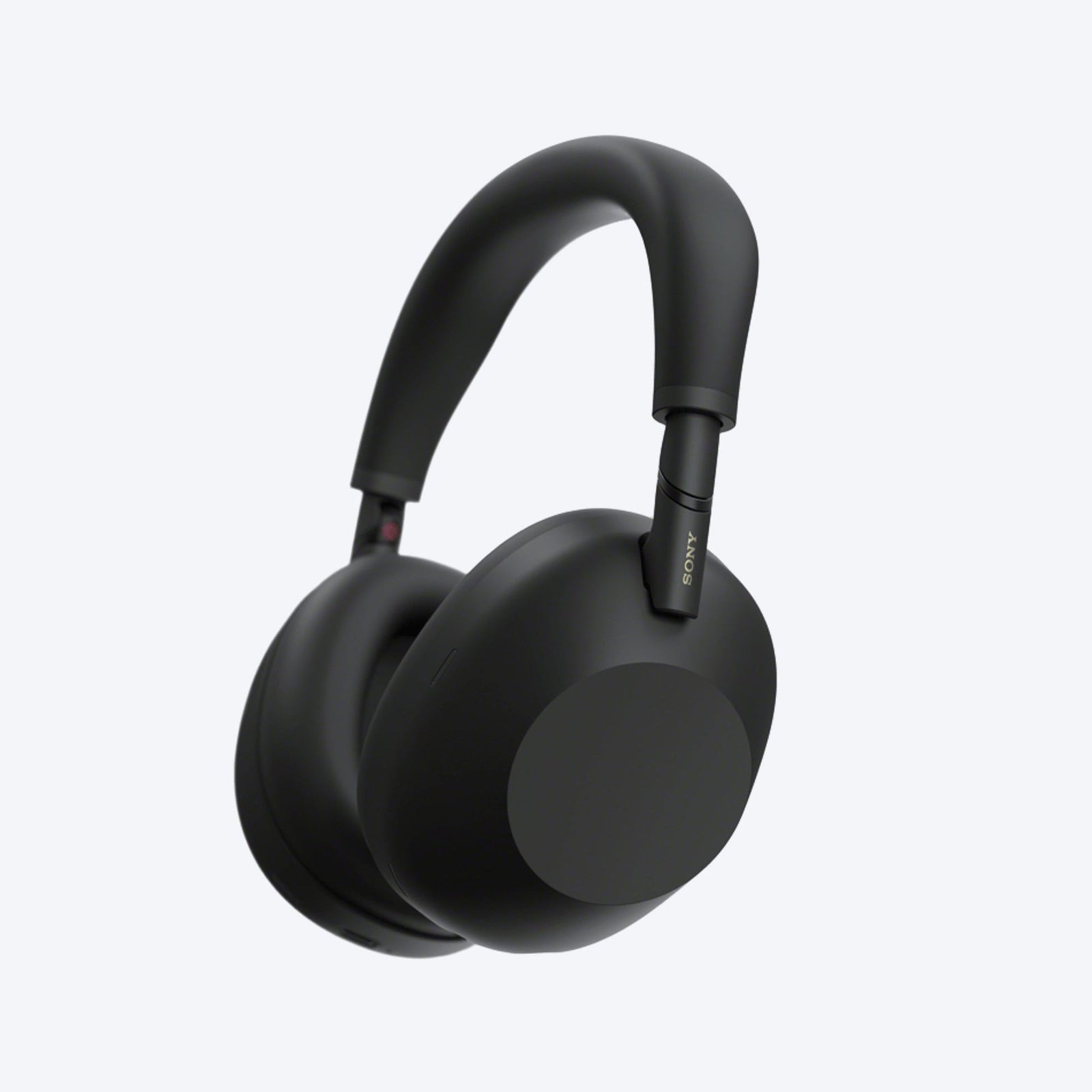
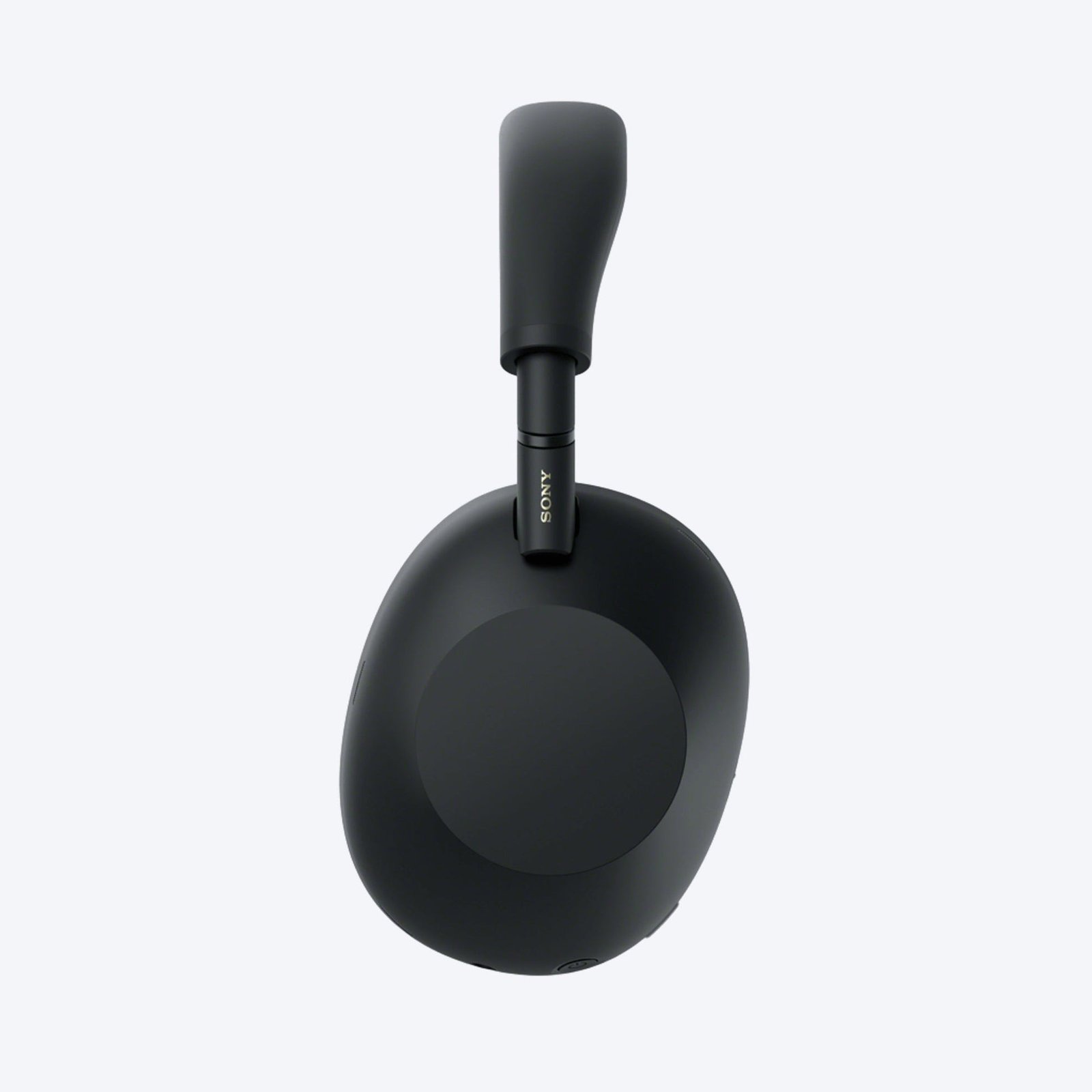
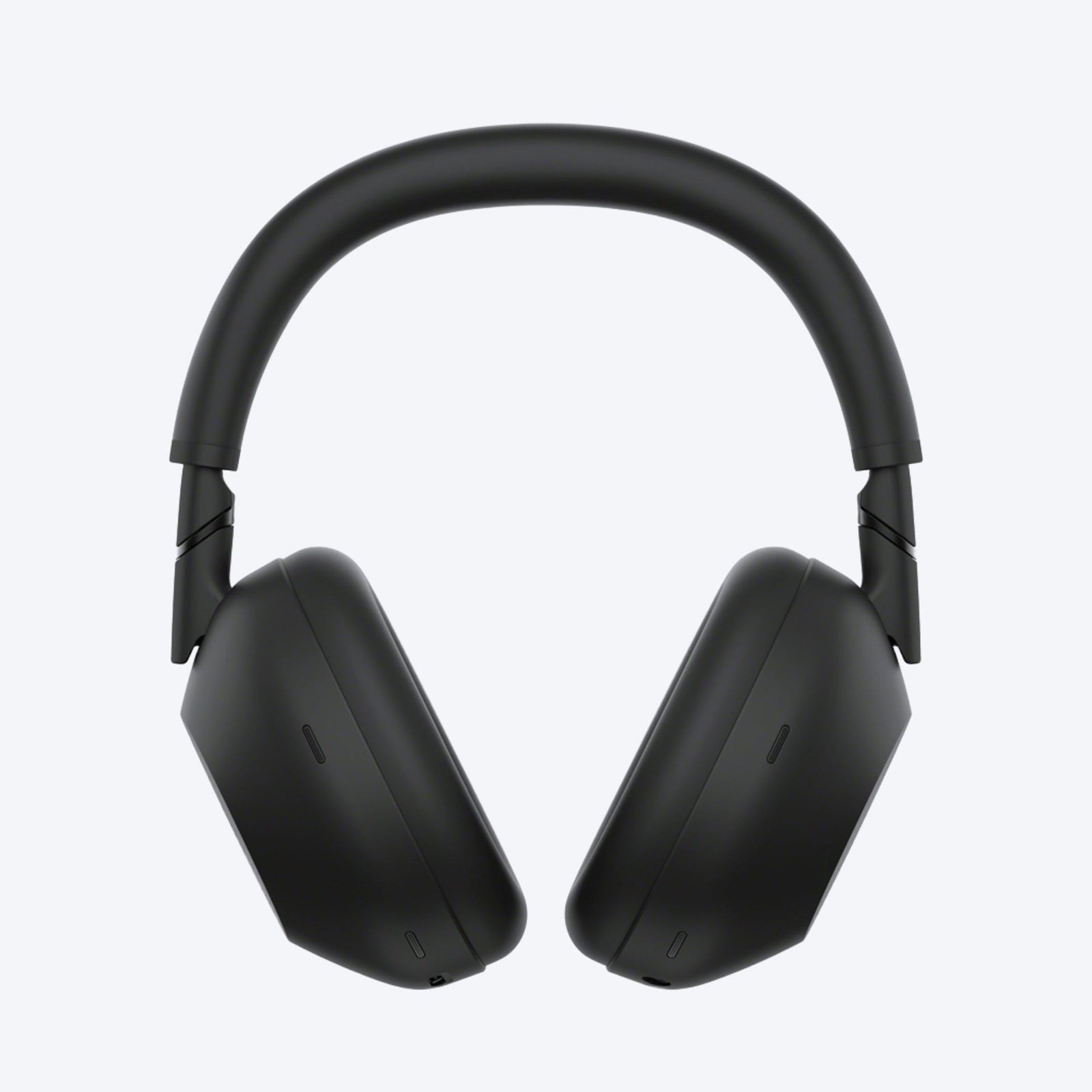
Sony WH-1000XM6
Three things combine. First, the ANC architecture: 12 mics feeding the QN3 target the 50–1,000 Hz band where engine drone lives, and the Adaptive NC Optimizer adjusts for cabin pressure changes during climb and descent — a flight-specific feature cheaper models skip. Second, endurance: 30 hours ANC-on means a 16-hour ultra-long-haul plus the return leg without charging. Third, practicality: it folds flat, the case is compact, multipoint keeps phone and laptop connected, and you can listen while charging over USB-C.
- Strongest low-frequency ANC in this roundup — QN3 processor with 12 microphones targets the engine-drone band
- 30-hour battery with ANC on outlasts any commercial route; a 3-minute charge adds 3 hours
- Folds flat with a compact magnetic case; multipoint Bluetooth keeps phone and laptop connected
Important limitation: No IP water-resistance rating — fine for cabins, less ideal for rainy tarmac walks. Touch controls can trigger accidentally when adjusting the headband, the fit runs large for smaller heads, and at $449.99 MSRP it is a premium purchase.
- ANC / battery: QN3 processor, 12 mics; 30 h ANC on, 40 h off
- Drivers / weight: 30mm dynamic drivers; 254 g; foldable, magnetic case
- Codecs / extras: Bluetooth 5.3 multipoint; SBC/AAC/LDAC/LC3; 3.5mm cable included
Best for: The traveler who wants the single best all-around flight headphone and flies often enough to justify it.
Verdict: The best noise reduction headphones for airplanes for most travelers. The QN3 processor and 12-microphone array deliver the strongest low-frequency cancellation in this roundup, the 30-hour ANC battery outlasts any commercial route, and Sony finally brought back the folding design the XM5 dropped.
Key specifications (verified from manufacturer/retailer spec data): HD Noise Cancelling Processor QN3 (7× faster than the XM5's QN1, per Sony) · 12 microphones (6 for ANC, 6 beamforming for calls) · 30mm dynamic drivers · 30 hours battery with ANC on / 40 hours with ANC off · 3-minute quick charge = 3 hours playback · Bluetooth 5.3 with multipoint (2 devices), LDAC/AAC/SBC/LC3 · 254 g · Foldable with magnetic case · 3.5mm cable included · Adaptive NC Optimizer adjusts for air pressure · $449.99 MSRP · Launched May 2025.
Why it wins for flights: Three things combine. First, the ANC architecture: 12 mics feeding the QN3 target the 50–1,000 Hz band where engine drone lives, and the Adaptive NC Optimizer adjusts for cabin pressure changes during climb and descent — a flight-specific feature cheaper models skip. Second, endurance: 30 hours ANC-on means a 16-hour ultra-long-haul plus the return leg without charging. Third, practicality: it folds flat, the case is compact, multipoint keeps phone and laptop connected, and you can listen while charging over USB-C.
Honest limitations: No IP water-resistance rating — fine for cabins, less ideal for rainy tarmac walks. Touch controls can trigger accidentally when adjusting the headband. At $449.99 MSRP it is a premium purchase (street prices have been documented lower). And some reviewers note the fit runs large for smaller heads.
Best for: The traveler who wants the single best all-around flight headphone and flies often enough to justify it.
2. Bose QuietComfort Ultra Headphones (2nd Gen) — Best Comfort for Long Hauls
Bose QuietComfort Ultra Headphones (2nd Gen)
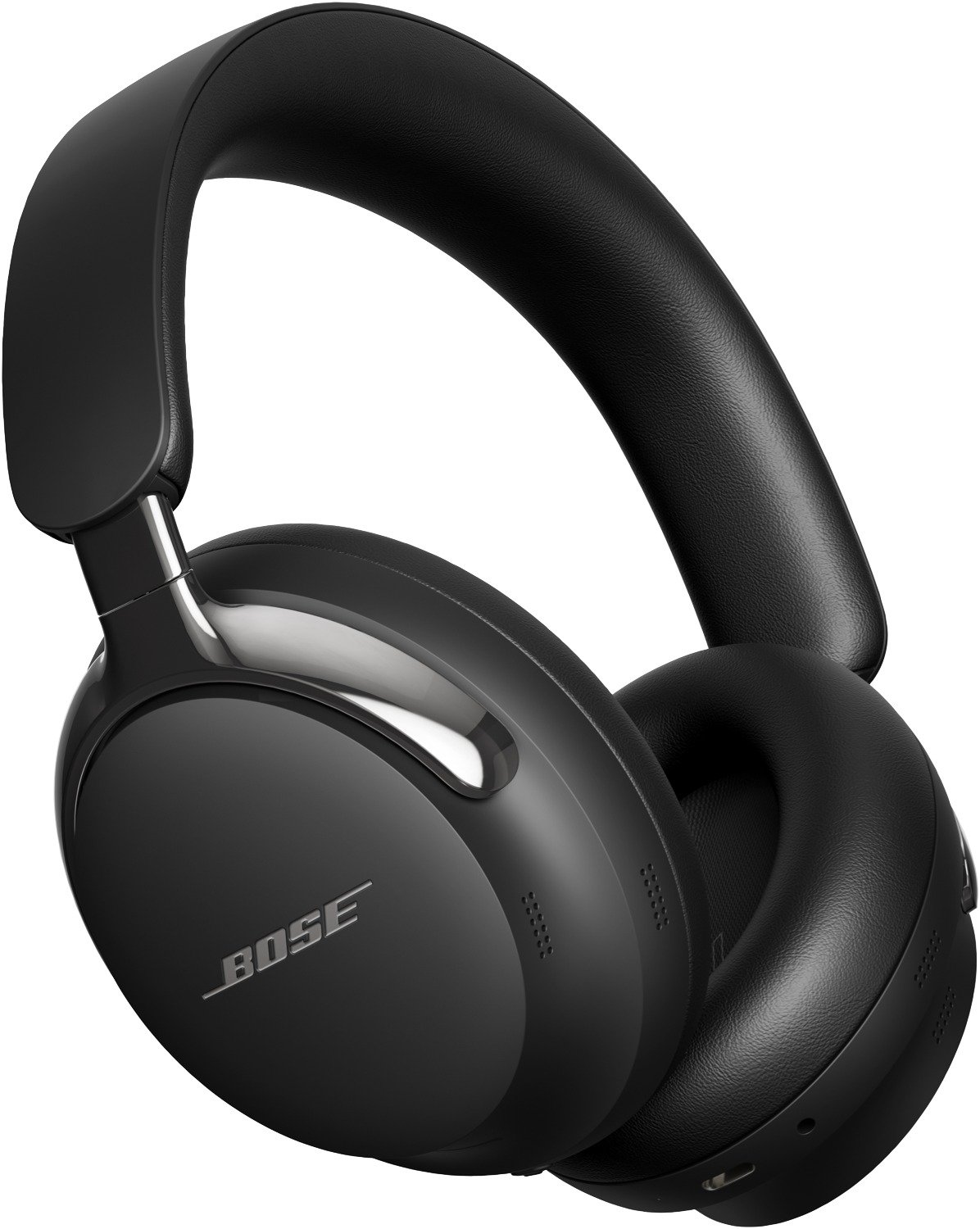
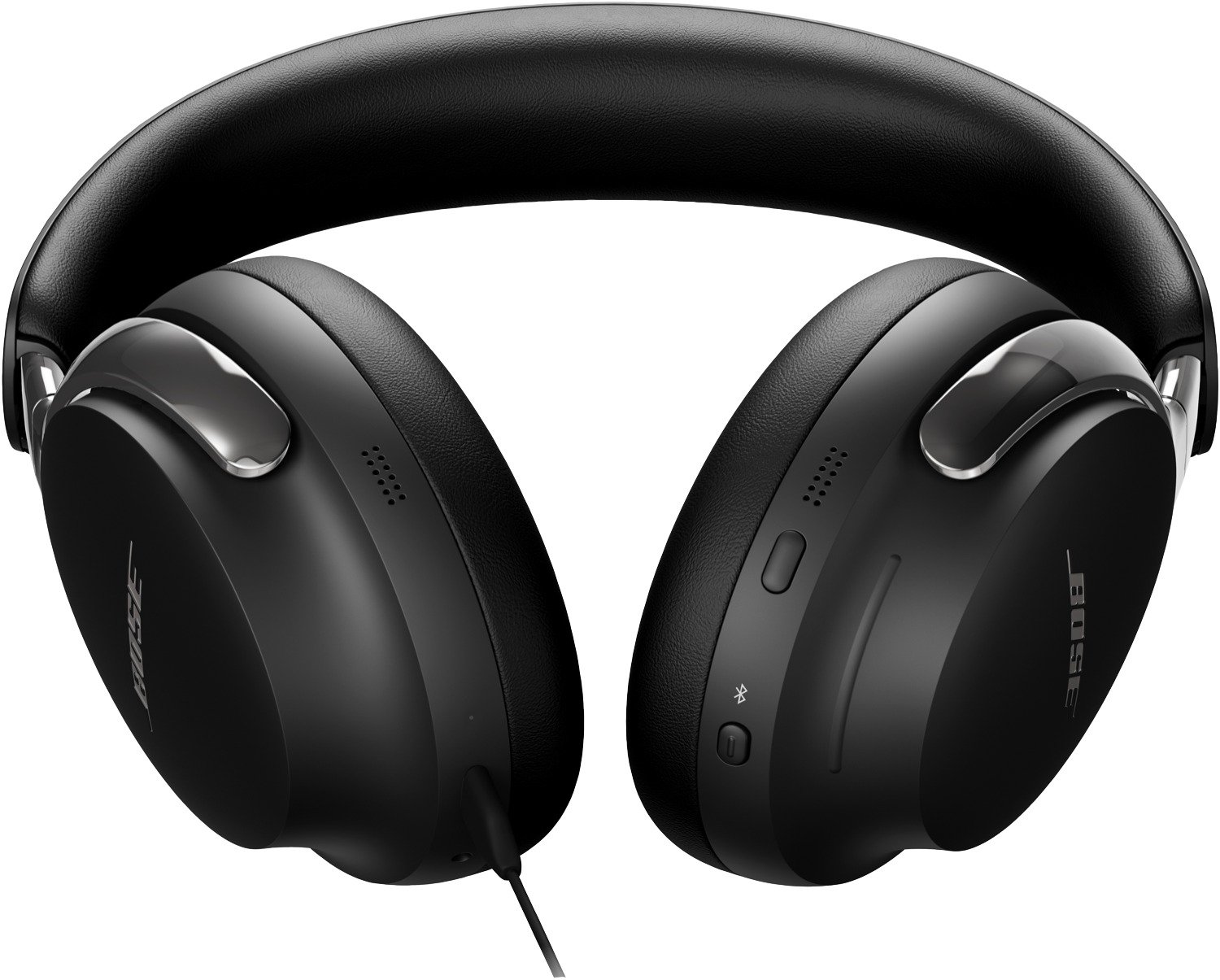
Comfort is a flight-critical spec that spec sheets undervalue. The QC Ultra's clamping force, cushion depth, and weight distribution are engineered for continuous wear — the difference between arriving rested and arriving with a headache after a 14-hour sector. The 30-hour battery (up from 24 on the 1st Gen) now matches Sony, and the included 3.5mm cable means wired seatback listening without an extra purchase.
- Comfort-first design engineered for continuous wear on 10+ hour flights
- 30-hour battery now matches Sony; immersive spatial audio for in-flight movies
- 3.5mm-to-2.5mm cable in the box for wired seatback listening
Important limitation: At ~264 g it is slightly heavier than the Sony, the Bose app offers less EQ customization than Sony's or Sennheiser's, there is no IP rating, and the $449 price point (press-documented; provisional) puts it in the premium tier.
- ANC / battery: Adjustable ANC; 30 h battery life
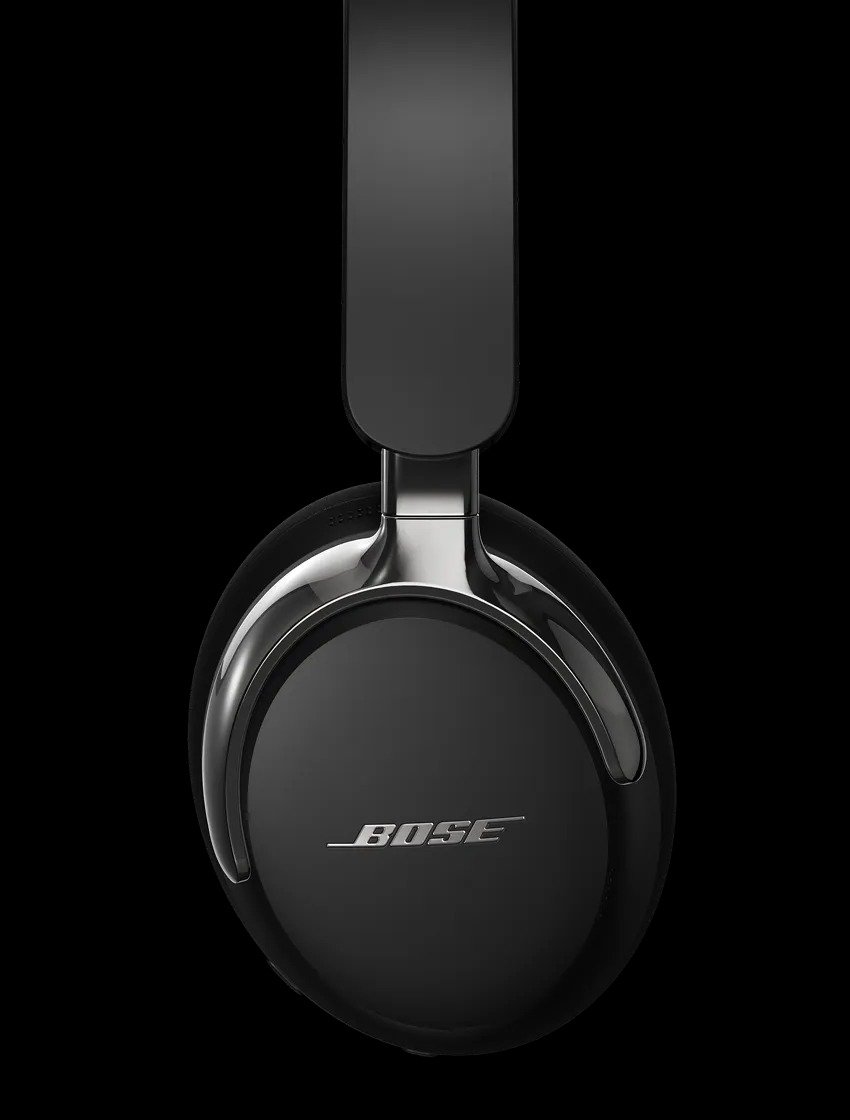
- Weight / cushions: ~264 g; protein-leather removable cushions
- In the box: 3.5mm-to-2.5mm cable, USB-C cable, carry case; Bluetooth 5.4
Best for: Travelers with comfort sensitivity, glasses wearers, and anyone whose flights regularly exceed 8 hours.
Verdict: The comfort pick for 10+ hour flights. Bose's QuietComfort line built its reputation on all-day wearability, and the 2nd Gen extends battery to 30 hours while keeping the plush fit that frequent flyers swear by.
Key specifications (verified from bose.com official product page): Adjustable active noise cancelling · 30 hours battery life · Bluetooth 5.4 · ~0.583 lb (~264 g) · Protein-leather cushions (removable) · 3.5mm-to-2.5mm audio cable + USB-C cable in the box · Carry case included · Immersive spatial audio · Bose app control.
Why it wins for flights: Comfort is a flight-critical spec that spec sheets undervalue. The QC Ultra's clamping force, cushion depth, and weight distribution are engineered for continuous wear — the difference between arriving rested and arriving with a headache after a 14-hour sector. The 30-hour battery (up from 24 on the 1st Gen) now matches Sony, and the included 3.5mm cable means wired seatback listening without an extra purchase.
Honest limitations: At ~264 g it is slightly heavier than the Sony. Bose's companion app offers less EQ customization than Sony's or Sennheiser's. The $449 price point (documented by press; provisional — verify at publication) puts it in the premium tier. And like the Sony, there's no IP rating.
Best for: Travelers with comfort sensitivity, glasses wearers, and anyone whose flights regularly exceed 8 hours.
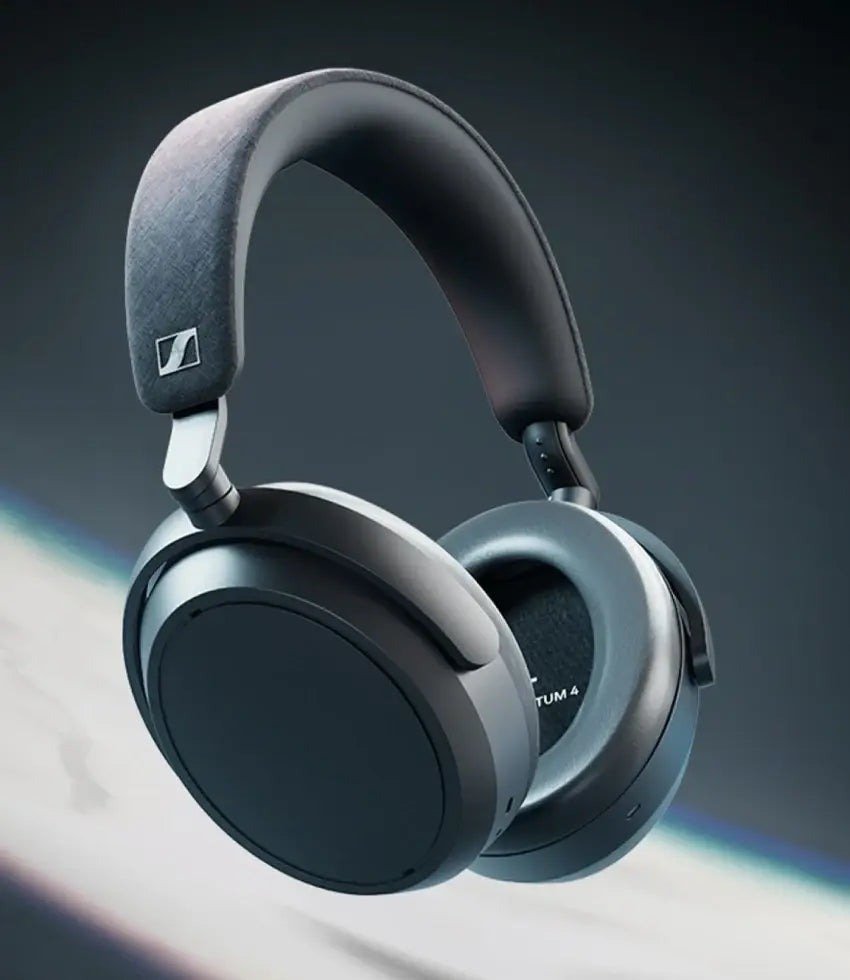
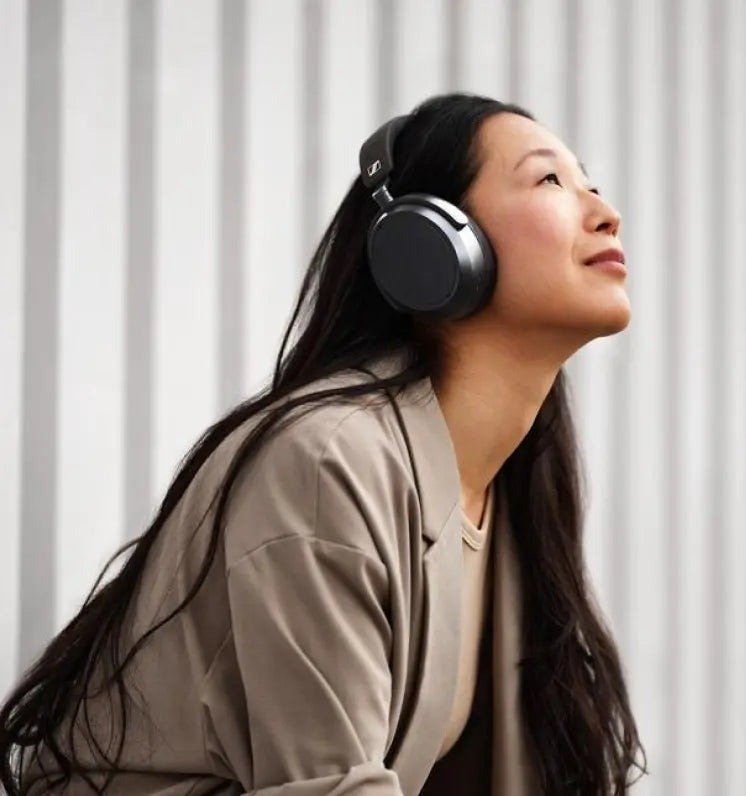
3. Sennheiser Momentum 4 Wireless — Best Battery Life
Sennheiser Momentum 4 Wireless
Sixty hours means charging roughly once a month of heavy travel — one less cable to pack, one less thing to forget. The included airplane adapter solves the dual-prong armrest jack problem with no extra purchase. Sennheiser's sound signature (rich, detailed, slightly warm) is widely preferred for music listening, and aptX Adaptive gives Android users higher-quality wireless audio than AAC.
- 60-hour battery with ANC on — double the Sony and Bose
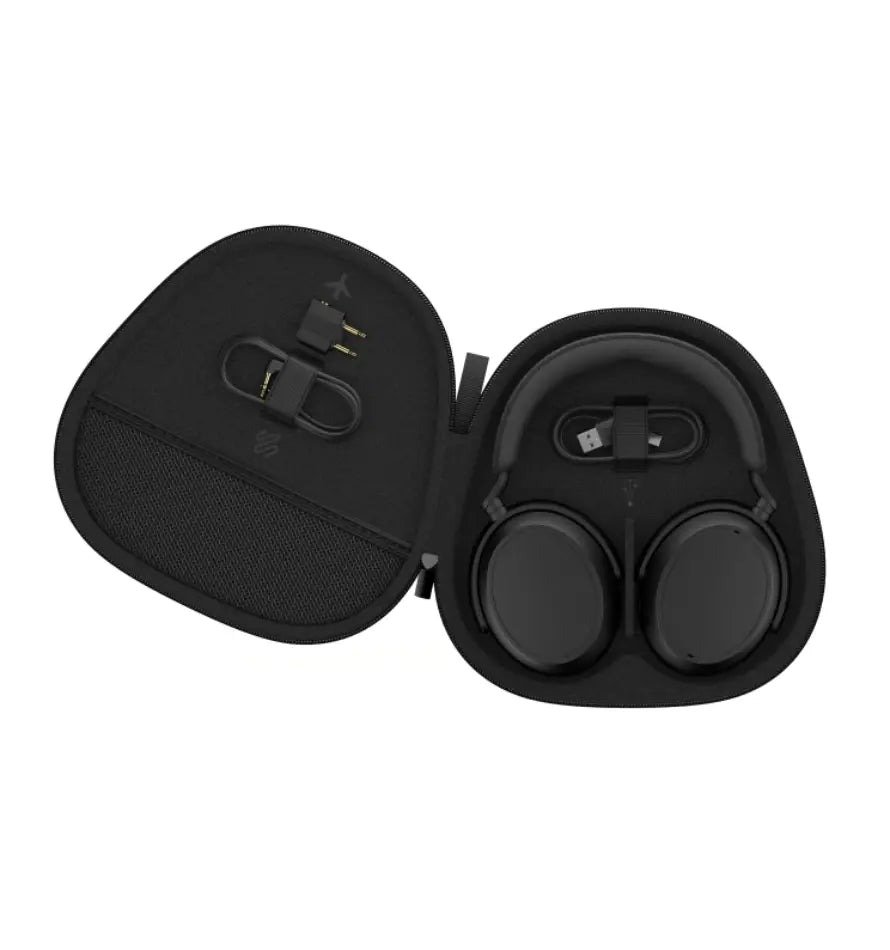
- Airplane adapter included in the box — the only pick here that ships one
- aptX Adaptive gives Android users higher-quality wireless audio than AAC
Important limitation: The adaptive ANC, while good, doesn't match the Sony/Bose low-frequency suppression on the loudest aircraft. At 293 g it is the heaviest foldable here, the design ditched the Momentum 3's premium metal/leather for plastic, and touch controls are sensitive.
- Battery: 60 h with ANC on (Sennheiser rated); 10-min charge = 6 h
- Drivers / weight: 42mm dynamic drivers; 293 g; flat-folding
- Codecs / extras: Bluetooth 5.2 multipoint (SBC/AAC/aptX Adaptive); airplane adapter + 3.5mm + USB-C in box
Best for: Frequent flyers who hate charging, and anyone who wants the airplane adapter included rather than bought separately.
Verdict: The endurance champion — 60 hours with ANC on is double the Sony and Bose, and Sennheiser includes an airplane adapter in the box, the only pick here that does.
Key specifications (verified from launch coverage and reviews): 42mm dynamic drivers · Adaptive noise cancelling · 60 hours battery with ANC on (Sennheiser's rated figure) · 10-minute quick charge = 6 hours playback · Bluetooth 5.2 with multipoint (SBC/AAC/aptX Adaptive) · 293 g · Smart Pause (auto-pauses when removed) and Auto On/Off · Airplane adapter + 3.5mm cable + USB-C cable in the box · $349.95 MSRP (street prices documented substantially lower).
Why it wins for flights: Sixty hours means charging roughly once a month of heavy travel — one less cable to pack, one less thing to forget. The included airplane adapter solves the dual-prong armrest jack problem with no extra purchase. Sennheiser's sound signature (rich, detailed, slightly warm) is widely preferred for music listening, and aptX Adaptive gives Android users higher-quality wireless audio than AAC.
Honest limitations: The adaptive ANC, while good, doesn't match the Sony/Bose low-frequency suppression on the loudest aircraft. At 293 g it is the heaviest foldable here. The design ditched the Momentum 3's premium metal/leather for plastic — durable, but less luxurious. Touch controls are sensitive.
Best for: Frequent flyers who hate charging, and anyone who wants the airplane adapter included rather than bought separately.
4. Apple AirPods Pro 3 — Best Earbuds for Flying
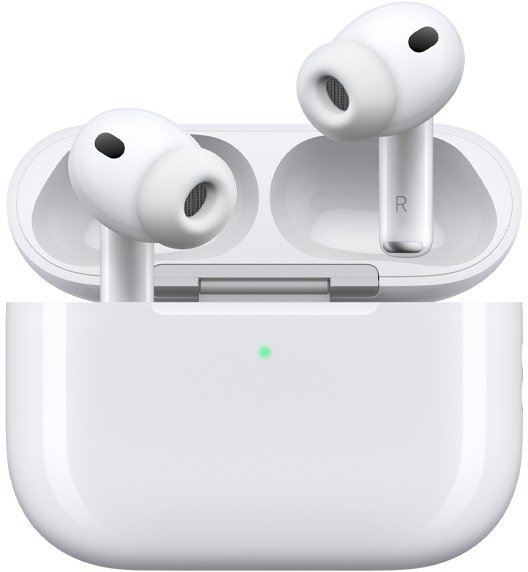
Apple AirPods Pro 3
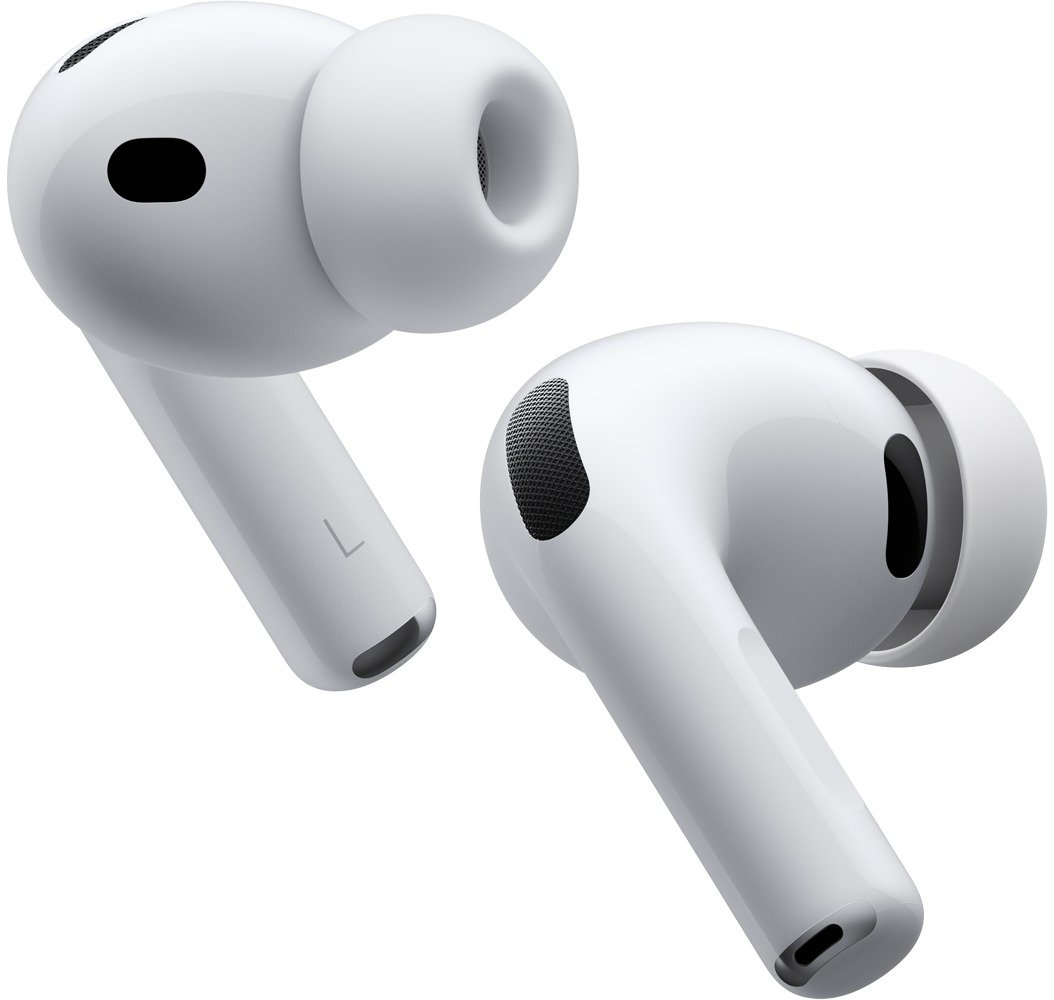
Earbuds solve the over-ear's biggest flight problem: sleeping. Side-sleepers can't wear 254 g of headphone against a pillow; 5-gram buds disappear. The 8-hour ANC battery covers most single legs, the case extends to 24 hours total, and IP57 means sweat and rain aren't concerns during connections. For iPhone users, pairing and device-switching are seamless.
- Small enough to sleep in — the side-sleeper's pick
- 2× the ANC of AirPods Pro 2 (Apple claim): 8 hours per charge, 24 hours total with the case
- IP57 rated, with a heart-rate sensor and five foam-infused ear-tip sizes (XXS–L)
Important limitation: Eight hours won't cover an ultra-long-haul without a case recharge, earbud ANC can't match the passive isolation of over-ears on the loudest aircraft, fit is ear-dependent, and most advanced features are Apple-ecosystem only.
- ANC / battery: 2× AirPods Pro 2 ANC (Apple claim); 8 h ANC on, 24 h total with case
- Fit / rating: Five foam-infused tip sizes (XXS–L); IP57 dust/water resistance
- Extras: Heart-rate sensor; Live Translation (beta); USB-C MagSafe charging case
Best for: Side-sleepers, minimal packers, and iPhone users who want one pair of earbuds for the whole trip.
Verdict: The best in-ear option for flights — dramatically improved ANC, 8 hours per charge, and small enough to sleep in, which no over-ear can claim.
Key specifications (verified from launch coverage): 2× the ANC of AirPods Pro 2 (Apple's claim) · Up to 8 hours listening with ANC on, 24 hours total with the charging case · IP57 dust and water resistance · Heart-rate sensor · Live Translation (beta) · Five ear-tip sizes (XXS–L) with foam-infused tips · USB-C charging case · $249 US launch price · Launched September 19, 2025.
Why it wins for flights: Earbuds solve the over-ear's biggest flight problem: sleeping. Side-sleepers can't wear 254 g of headphone against a pillow; 5-gram buds disappear. The 8-hour ANC battery covers most single legs, the case extends to 24 hours total, and IP57 means sweat and rain aren't concerns during connections. For iPhone users, pairing and device-switching are seamless.
Honest limitations: Eight hours won't cover an ultra-long-haul without a case recharge — plan a top-up during a layover or meal service. Earbud ANC, however good, can't match the passive isolation of over-ears on the loudest aircraft. Fit is ear-dependent; the seal determines everything. And most advanced features are Apple-ecosystem only.
Best for: Side-sleepers, minimal packers, and iPhone users who want one pair of earbuds for the whole trip.
5. Soundcore Space Q45 — Best Value
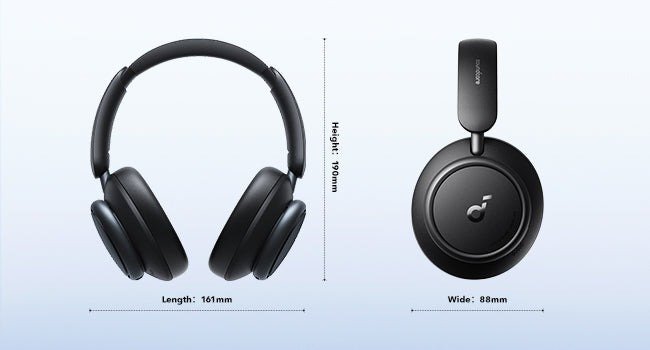
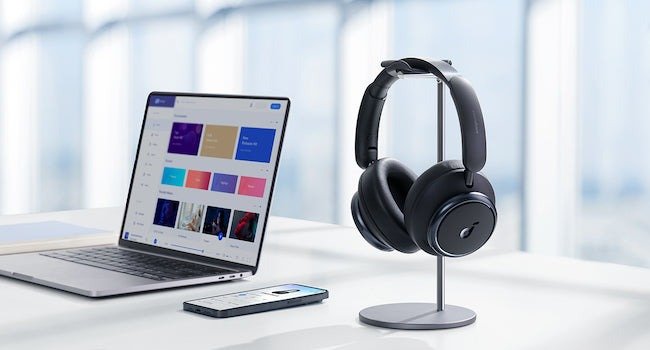
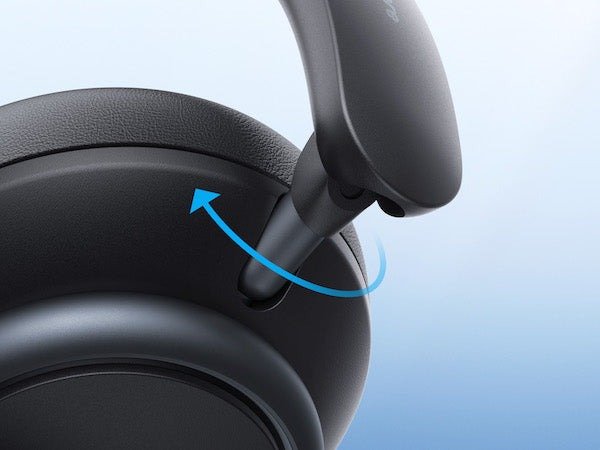
Soundcore Space Q45
The battery figure embarrasses headphones costing three times more: 50 hours ANC-on covers a round-the-world itinerary. The adaptive ANC automatically adjusts to the cabin environment, LDAC gives Android users hi-res wireless audio, and multipoint keeps two devices connected. For occasional flyers, this is 80% of the flagship experience at a third of the price.
- 50 hours of ANC playback at a $149.99 MSRP — flagship endurance at a third of the price
- Adaptive ANC that adjusts to the cabin environment, with LDAC hi-res support
- Multipoint Bluetooth 5.3, foldable hard-shell case, 5-minute charge = 4 hours
Important limitation: The ANC is good, not class-leading — on the loudest wide-bodies you'll notice the gap vs Sony/Bose. No IP rating, the initial clamp force is firm (it loosens with wear), LDAC and multipoint can't run simultaneously, and the build is plastic throughout.
- ANC / battery: Adaptive hybrid ANC; 50 h ANC on, 65 h off; 5-min charge = 4 h
- Drivers / weight: 40mm silk-and-ceramic double-layer drivers; ~292–295 g; foldable, hard case
- Codecs: Bluetooth 5.3 multipoint; LDAC/AAC/SBC; USB-C + 3.5mm AUX
Best for: Budget-conscious travelers, students, and occasional flyers who want strong ANC without the flagship price.
Verdict: The price-performance pick — 50 hours of ANC playback, adaptive noise cancelling, and LDAC support at a $149.99 MSRP (street prices documented far lower).
Key specifications (verified from review spec compilations): Adaptive hybrid ANC · 50 hours battery with ANC on / 65 hours with ANC off · 40mm drivers with silk-and-ceramic double-layer diaphragm · LDAC/AAC/SBC support · Bluetooth 5.3 with multipoint · ~292–295 g · Foldable with hard-shell case · 5-minute charge = 4 hours playback · USB-C + 3.5mm AUX · $149.99 MSRP.
Why it wins for flights: The battery figure embarrasses headphones costing three times more: 50 hours ANC-on covers a round-the-world itinerary. The adaptive ANC automatically adjusts to the cabin environment, LDAC gives Android users hi-res wireless audio, and multipoint keeps two devices connected. For occasional flyers, this is 80% of the flagship experience at a third of the price.
Honest limitations: The ANC is good, not class-leading — on the loudest wide-bodies you'll notice the gap vs Sony/Bose. No IP rating. The initial clamp force is firm (it loosens with wear). LDAC and multipoint can't run simultaneously. Build is plastic throughout.
Best for: Budget-conscious travelers, students, and occasional flyers who want strong ANC without the flagship price.
Buying Guide: How to Choose Flight Headphones
ANC architecture: why low frequencies matter most
Airplane cabin noise is dominated by low-frequency engine drone (roughly 50–1,000 Hz) plus mid-frequency chatter and hissing air vents. Active noise cancellation works best on constant low frequencies — physics favors it — which is why even mid-range ANC headphones transform a cabin. When comparing, prioritize low-frequency ANC strength (Sony's 12-mic QN3 array, Bose's adjustable ANC) over headline features like spatial audio.
Battery: size it to your longest route
The longest commercial flights run 17–19 hours. A 30-hour battery (Sony, Bose) covers a single leg with a wide margin and most round trips; 50–60 hours (Soundcore, Sennheiser) means charging monthly rather than per trip. Remember manufacturer figures assume moderate volume — ANC at max with LDAC drains faster. When in doubt, buy more battery than you think you need; a dead headphone at hour 12 of 16 is miserable.
Comfort: the spec sheet won't tell you
Clamping force, ear-cup depth, headband padding, and weight distribution determine whether headphones survive a 10-hour wear — and none appear in spec tables. General rules: lighter is better (254 g Sony vs 293 g Sennheiser is a difference your neck notices by hour 8); deeper ear cups avoid ear-touching; glasses wearers should favor low-clamp designs (Bose's specialty). If possible, try before a long trip.
Earbuds vs over-ears for flying
Over-ears win on ANC strength (passive isolation + active cancellation) and battery life. Earbuds win on packability and sleepability — side-sleepers should choose buds, full stop. Many frequent flyers own both: over-ears for the cabin, buds for sleeping. If you buy one, choose by how you sleep on planes.
Seatback compatibility: the jack problem
Most seatback screens offer only a wired 3.5mm jack (some older armrests use a dual-prong jack needing an adapter). Your options: (1) a wired cable — the Sony, Bose, Sennheiser, and Soundcore all include one; (2) the Sennheiser's included airplane adapter for dual-prong jacks. Check your airline's fleet: a growing number of new aircraft offer native Bluetooth seatback pairing, which makes all of this moot.
Bluetooth on planes: the rules
Bluetooth headphones are permitted on most airlines for most of the flight, but crews may ask you to stow electronic devices during takeoff and landing — always follow crew instructions. Keep devices in airplane mode when required.
Headphone Types for Air Travel, Explained
Over-ear ANC flagships (Sony XM6, Bose QC Ultra 2nd Gen): maximum noise cancellation, best for engine drone, 30-hour batteries. The default choice for frequent flyers.
Long-battery over-ears (Sennheiser Momentum 4, Soundcore Space Q45): 50–60 hour endurance for travelers who hate charging; slightly less ANC refinement than the flagships.
Premium earbuds (AirPods Pro 3): sleepable, pocketable, 8-hour ANC legs with case backup. The side-sleeper's answer.
Head-to-Head Comparisons
Sony WH-1000XM6 vs Bose QuietComfort Ultra (2nd Gen)
The flagship duel. Sony wins on ANC architecture (QN3 + 12 mics vs Bose's adjustable ANC), app customization (10-band EQ), and codec support (LDAC). Bose wins on out-of-box comfort — the reason many frequent flyers choose it despite the spec-sheet gap — and slightly simpler operation. Battery is now tied at 30 hours. Choose Sony for maximum noise reduction and features; choose Bose if you've ever taken headphones off mid-flight because they hurt.
Sennheiser Momentum 4 vs Soundcore Space Q45 (the value tier)
Both offer 50+ hour batteries at lower prices than the flagships. The Sennheiser ($349.95 MSRP) brings better sound quality, aptX Adaptive, and the included airplane adapter; the Soundcore ($149.99 MSRP) brings LDAC, a lower price, and 50 hours ANC-on. The Sennheiser is the better headphone; the Soundcore is the better value. Neither matches Sony/Bose ANC on the loudest aircraft — that's what the price gap buys.
AirPods Pro 3 vs over-ears (should you go buds?)
If you sleep on your side: yes, buds, no contest. If you don't: over-ears give stronger ANC and 3–7× the battery per charge. The AirPods Pro 3's 8-hour ANC leg plus 24-hour case total makes buds viable even for long-haul — just plan a case recharge during the flight. iPhone users get the most from the Pro 3; Android users should also consider Sony's WF-1000XM5 (not covered here — see).
7 Mistakes to Avoid When Buying Flight Headphones
- Trusting star ratings on thin affiliate pages. Our SERP research for this keyword surfaced ranking pages publishing ratings like "4.3/5 (1,800+ reviews)" with no genuine review data behind them, and B2B wholesale listings (alibaba.com) ranking for a buyer query. A star rating without a stated methodology is decoration, not data. Judge headphones on verifiable specs — battery hours, weight, mic count, included cables — not on-page stars.
- Buying for the office, not the cabin. The best office headphone isn't automatically the best flight headphone. Flight-specific needs — 15+ hour battery, foldability, seatback compatibility, comfort past hour 6 — eliminate some excellent desk headphones.
- Ignoring the seatback jack. Showing up with Bluetooth-only earbuds and no way to connect wired means watching movies on your phone or enduring the airline's free earbuds. Pack the 3.5mm cable your headphones came with.
- Assuming all ANC handles engine drone equally. ANC quality varies most in the low frequencies that matter on planes. The gap between flagship ANC (Sony/Bose) and budget ANC is real and most audible on wide-body aircraft.
- Forgetting takeoff and landing rules. Crews can require stowing electronic devices during takeoff and landing. Your headphones may need to come off — plan for it, and always follow crew instructions over any article's advice.
- Choosing weight you can't wear. A 293 g headphone (Sennheiser Momentum 4) vs a 254 g one (Sony XM6) is a difference your neck will notice by hour 8. Spec-sheet weight is the most underrated comfort predictor.
- Paying flagship prices for features you'll never use. If you fly twice a year, the Soundcore Space Q45's 50-hour battery and $149.99 MSRP deliver the flight essentials. Save the $300 difference for the trip.
Frequently Asked Questions
Do noise cancelling headphones work on planes? Yes — exceptionally well. ANC is most effective against constant low-frequency noise, which is exactly what engine drone is. Good ANC headphones reduce cabin noise dramatically, cutting listening fatigue on long flights. They won't silence everything (sudden sounds like announcements and crying babies are harder to cancel), but the difference vs no ANC is night and day. Can you use Bluetooth headphones on airplanes? Yes, on most airlines for most of the flight. Bluetooth headphones are widely permitted once the seatbelt sign is off, but crews may ask you to stow electronic devices during takeoff, landing, and taxi — always follow crew instructions. Keep your device in airplane mode (with Bluetooth re-enabled) when required. How do you connect wireless headphones to the airplane seat screen? Most seatback screens only have a wired 3.5mm jack, so you have two options: (1) plug in with the 3.5mm cable included with the Sony, Bose, Sennheiser, and Soundcore picks here; (2) on newer aircraft, pair directly — a growing number of airlines now offer native Bluetooth seatback pairing. Are earbuds or over-ear headphones better for flying? Over-ears win on noise cancellation and battery life; earbuds win on packability and the ability to sleep on your side. If you sleep on planes, earbuds (AirPods Pro 3) are the practical answer. If you stay awake and want maximum quiet, over-ears (Sony XM6, Bose QC Ultra) are better. Many frequent flyers carry both. Do I need an airline adapter for my headphones? Only for older dual-prong armrest jacks, found on some aging aircraft. The Sennheiser Momentum 4 includes one in the box; otherwise they're a few dollars as a standalone accessory. Most modern seatback screens use a standard single 3.5mm jack. Can you wear noise cancelling headphones during takeoff and landing? Regulations and airline policies vary, but crews commonly ask passengers to stow electronic devices — including headphones — during takeoff, landing, and taxi so you can hear safety announcements. Always follow crew instructions; no headphone is worth an argument at 35,000 feet. Once airborne with the seatbelt sign off, you're generally free to wear them. How much battery life do I need for a long-haul flight? The longest commercial flights run 17–19 hours. Budget 30+ hours for a round trip without charging (Sony, Bose), and 50–60 hours if you want to charge monthly (Soundcore, Sennheiser). Earbuds with charging cases (AirPods Pro 3: 8h + 24h case) work if you top up during the flight.
Final Verdict
The best noise reduction headphones for airplanes are the ones that solve the flight problem, not just the noise problem. Buy the Sony WH-1000XM6 if you want the best all-around flight headphone: the strongest low-frequency ANC, 30-hour battery, foldable design, and multipoint Bluetooth. Buy the Bose QuietComfort Ultra (2nd Gen) if comfort is your bottleneck on 10+ hour flights. Buy the Sennheiser Momentum 4 if you never want to think about charging, with 60 hours and an airplane adapter in the box. Buy the AirPods Pro 3 if you sleep on your side or pack ultralight. Buy the Soundcore Space Q45 if you want 80% of the flagship experience at a third of the price.
Whichever you pick, verify the price on the live listing, pack the 3.5mm cable, and follow crew instructions on device use. Arrive rested.
Final Recommendations
Best Overall: Sony WH-1000XM6 — QN3 + 12-mic ANC, 30h battery, folds flat
Best Comfort: Bose QuietComfort Ultra Headphones (2nd Gen) — Bose comfort-first fit, 30h battery, spatial audio
Best Battery Life: Sennheiser Momentum 4 Wireless — 60h ANC battery, airplane adapter in the box
Best Earbuds: Apple AirPods Pro 3 — Sleepable earbuds, 8h ANC, IP57, heart-rate sensing
Best Value: Soundcore Space Q45 — 50h ANC battery and LDAC at $149.99 MSRP
Related Guides
- Best Noise Cancelling Headphones — the overall category guide: office, commute, and travel picks beyond the flight-specific lens.
- Sony WH-1000XM6 — deep dive on Sony's flagship: QN3 architecture, 12-mic array, and XM5 vs XM6.
- Bose QuietComfort Headphones — the Bose lineup explained: QC Ultra vs QC45 vs QC Earbuds.
- Best Budget Noise Cancelling Headphones — the value tier in full: what $100–$150 buys in ANC.
- Sennheiser Momentum — the Momentum line: Momentum 4 vs the newer Momentum 5.