
If your air purifier handles dust but your home still smells of cooking, pets or new furniture, you already know the limitation most product pages never spell out: HEPA filters only remove particles such as dust, pollen and pet dander. Odors, cooking smells and volatile organic compounds (VOCs) are gases, and gases pass straight through a HEPA filter. The technology that actually removes them is activated charcoal, and how much of it a purifier carries matters more than anything else on the spec sheet.
This guide is built around that single fact. We researched the air purifiers with the most serious activated carbon filtration on the market using independent test data from HouseFresh, which has tested nearly 150 air purifier models for VOC removal, plus manufacturer specifications. Four of the six purifiers in our original research could not be verified to our exact-variant standard at publication time, so they were removed rather than linked on guesswork; the two picks below are the ones whose exact listings and manufacturer photography we could fully verify. None of these units were hands-on tested by us; every performance figure is attributed to its source, and we state no prices.
The Short Answer
Best mainstream pick: the Levoit Core 400S (Cream White), the Levoit model with the most activated carbon in the brand's range according to HouseFresh, with an estimated 249 cfm PM1 CADR and full app control.
Best for smoke and cooking odors: the Coway Airmega 200M (White), whose thicker carbon bed, per a hands-on comparison by Thehomepicker, handled smoke and strong cooking smells better than the Levoit.
The honest caveat: both are mainstream units. Their carbon loads are a fraction of what specialist heavy-carbon machines carry, so for serious VOC remediation or a smoker in the home, treat these as everyday odor control, not remediation equipment.
Quick Picks
Short on time? These are our top recommendations, and each button takes you to the exact product on Amazon.
Comparison Table
| Purifier | Activated carbon | Particle cleaning (HouseFresh PM1 CADR est.) | Room size (5 ACH) | Smart features | Amazon Link |
|---|---|---|---|---|---|
| Levoit Core 400S (Cream White) | Most in Levoit's range (per HouseFresh) | 249 cfm | Up to 373 sq ft | VeSync app, Alexa and Google Assistant | Check Price on Amazon |
| Coway Airmega 200M (White) | Thicker bed than the Core 400S (per Thehomepicker hands-on comparison); exact mass not published | Not published by HouseFresh | Up to 361 sq ft (manufacturer rating, 4.8 air changes per hour) | None (on-unit controls, ionizer can be switched off) | Check Price on Amazon |
Carbon and CADR figures for the Levoit are from HouseFresh's published test data (checked 2026-10-19); the Coway carbon comparison is from Thehomepicker's hands-on comparison (March 2026), a single-reviewer source, and is labelled as such wherever it appears.
How These Picks Were Selected
This guide ranks by carbon capability first. Activated carbon is the only stage in a home purifier that adsorbs gases and odors, and HouseFresh's testing found that gas-adsorption capacity is directly tied to carbon quantity: a thin carbon-impregnated sheet will not do what a substantial carbon filter does, whatever the marketing says. From the six purifiers in our research, two survived our verification standard: the exact Amazon variant confirmed by two independent non-Amazon sources printing the ASIN, and three manufacturer photos of the exact variant, viewed at full size. The other four research picks were excised rather than linked on unverified listings, and they are named in the notes at the end of this guide. We did not hands-on test either pick.
Detailed Reviews
1. Levoit Core 400S (Cream White): Best Mainstream Pick
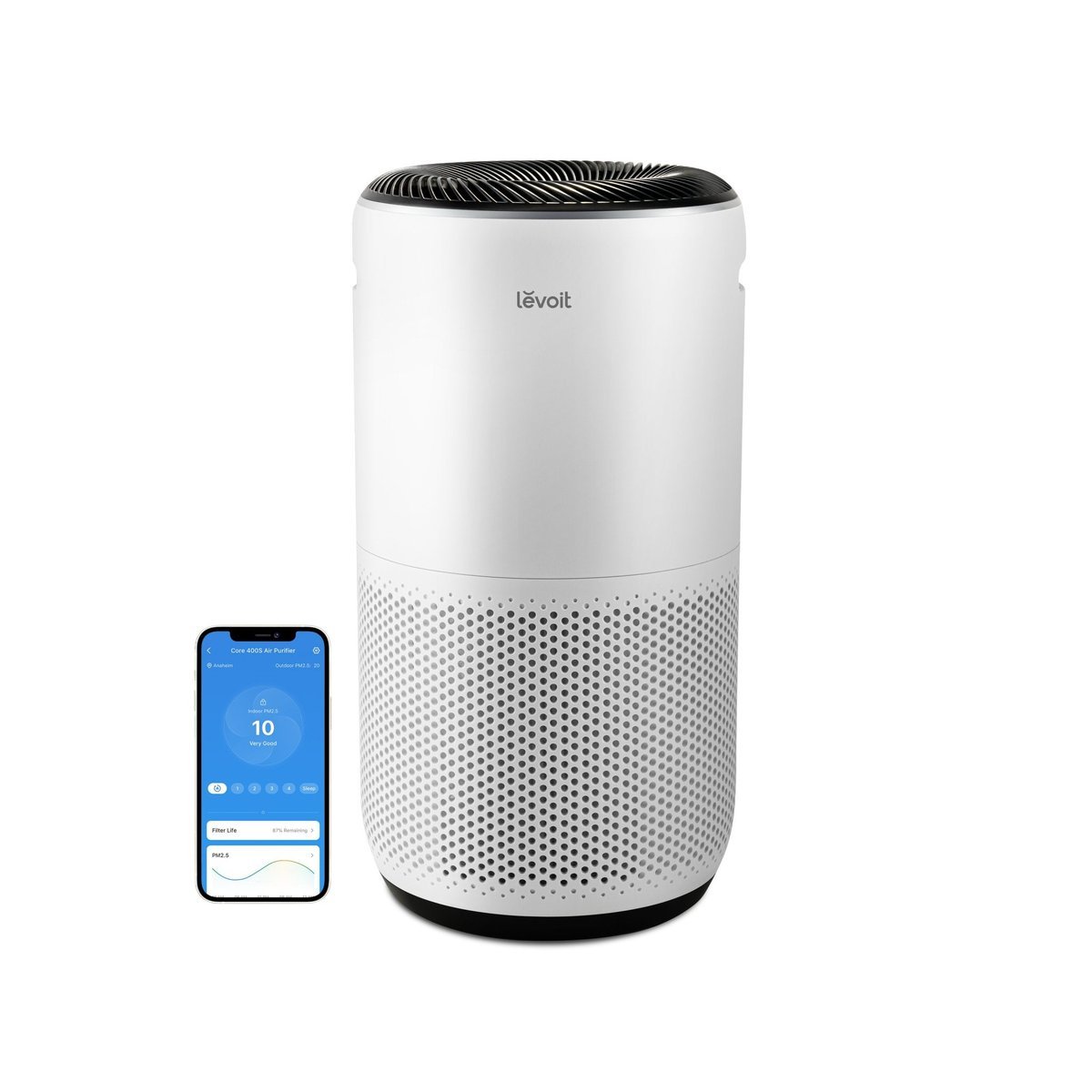
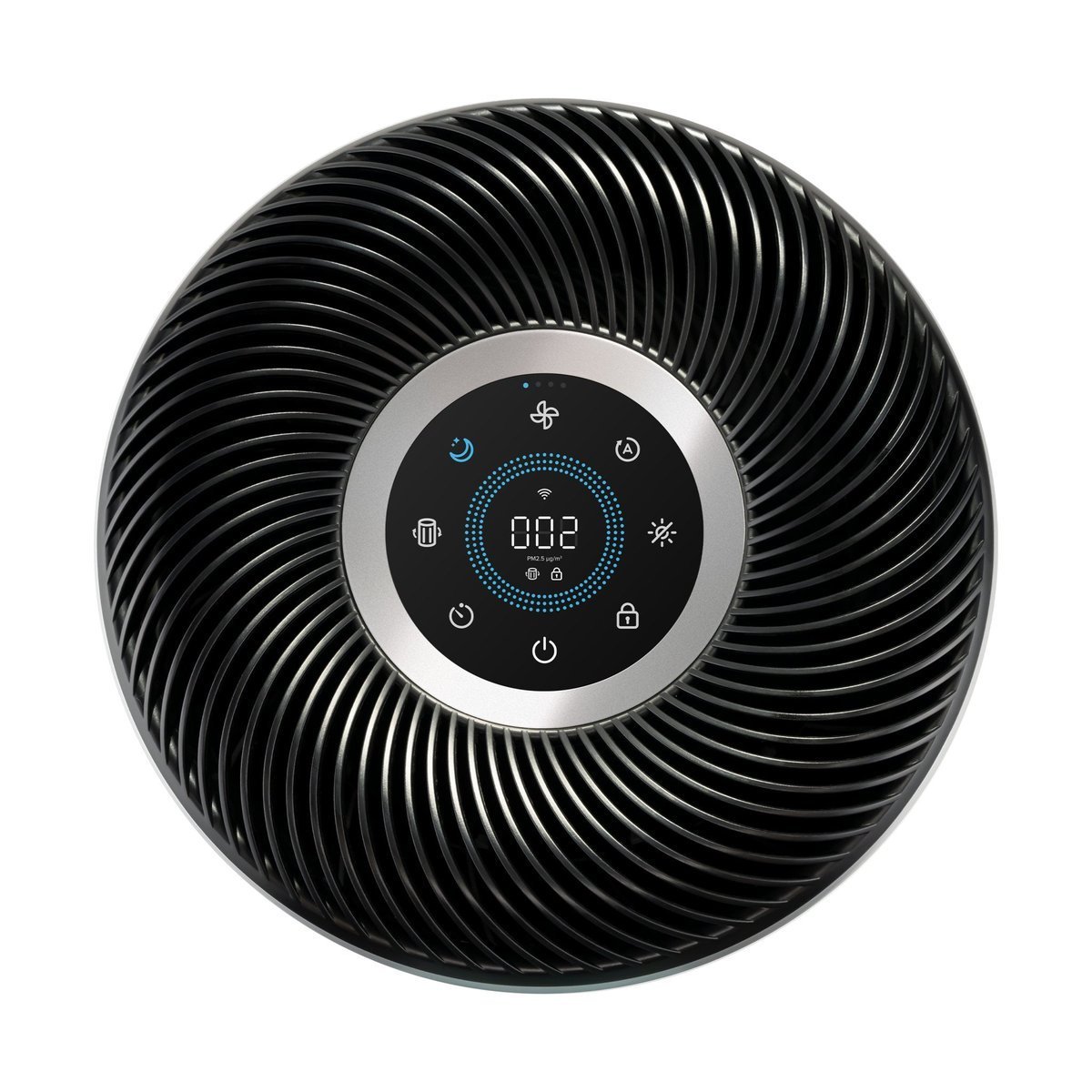
Levoit Core 400S (Cream White)
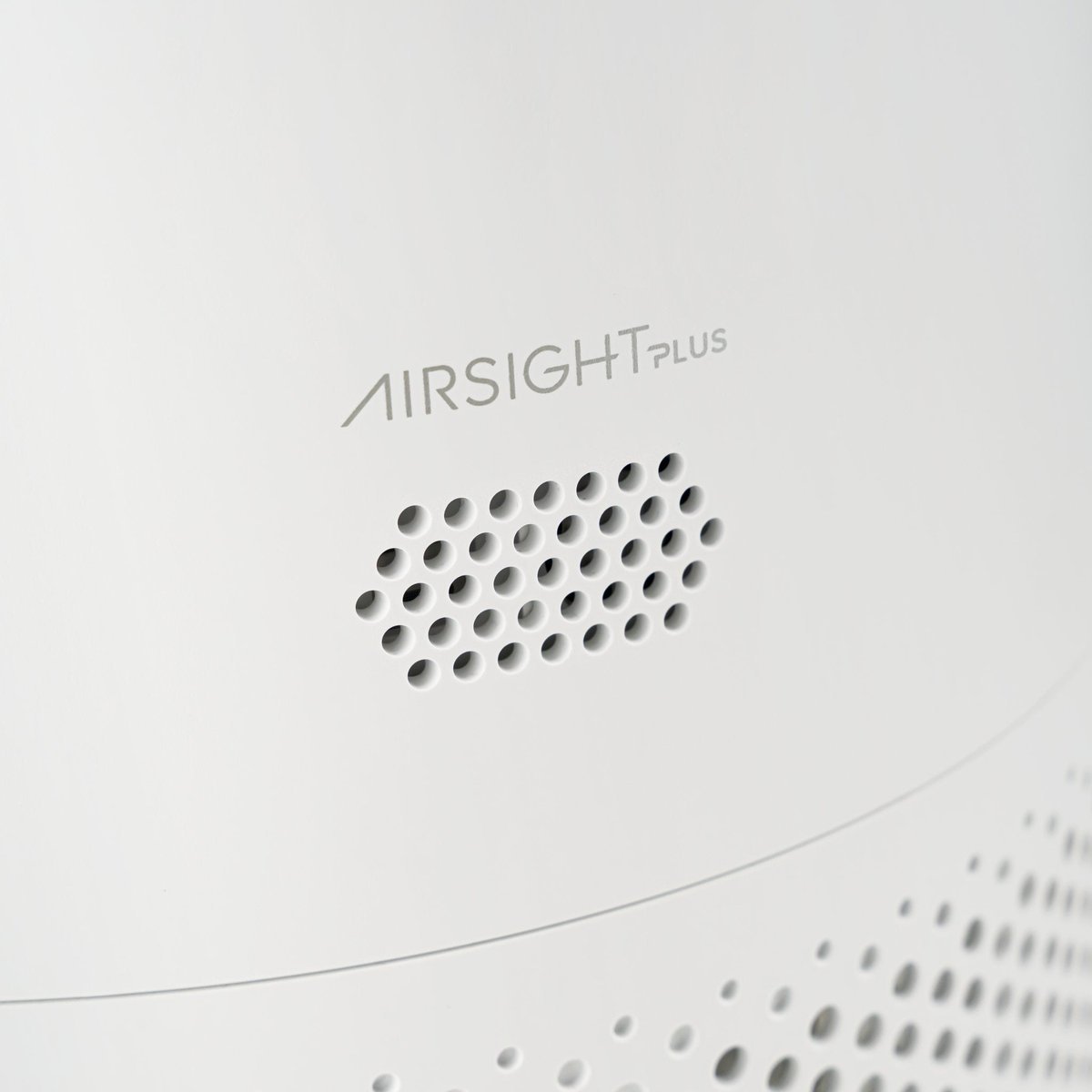
HouseFresh identifies the Core 400S as the Levoit model with the largest amount of activated carbon across the brand's entire range, and measured an estimated 249 cfm PM1 CADR, enough for five air changes per hour in rooms up to 373 sq ft. The cylindrical design takes up little floor space, and you get a laser PM2.5 sensor (Levoit's AirSight Plus), app control through VeSync, and voice-assistant support at a mainstream price. For everyday cooking smells, pet odors and general freshness, this is the sensible centre of the market. A dedicated Smoke Remover replacement filter variant exists for odor-heavy homes; buy that filter if smells are your main complaint. The 3-stage filter combines a pre-filter, an H13 True HEPA element and the activated carbon stage in one cartridge, replaced as a single unit every 6 to 8 months according to the manufacturer's manual. At 38 watts maximum and a 24 dB sleep mode, it is cheap and quiet to run around the clock, which matters because a purifier only cleans the air while it is running. This is the right default for most buyers: the person who wants one purifier that handles everyday odors, dust and allergens well, with app control, without specialist-unit money.
- Most activated carbon of any Levoit model, per HouseFresh's range-wide testing
- Estimated 249 cfm PM1 CADR (HouseFresh), good for rooms up to 373 sq ft at 5 air changes per hour
- AirSight Plus laser sensor drives a genuine auto mode, with VeSync app schedules and filter-life tracking
- Quiet and frugal: 24 dB sleep mode and 38 W maximum draw (manufacturer specifications)
Reasons to avoid:
- Its carbon load, while the best in Levoit's lineup, is a fraction of what specialist heavy-carbon units carry
- Thehomepicker's hands-on comparison found its carbon bed noticeably thinner than the Coway 200M's, a real difference for smoke and strong off-gassing
- The combined 3-stage cartridge means the carbon and HEPA stages are replaced together, whether both are spent or not
- No washable pre-filter panel; the cartridge is a consumable on a 6 to 8 month cycle
- Model: Core 400S, Cream White finish
- CADR: 260 cfm (manufacturer rating); 249 cfm PM1 estimate (HouseFresh)
- Room size: up to 373 sq ft at 5 air changes per hour (HouseFresh)
- Filtration: pre-filter, H13 True HEPA and activated carbon in one 3-stage cartridge
- Noise: 24 to 52 dB (manufacturer specifications)
- Dimensions / weight: 10.8 x 10.8 x 20.5 in; 12.79 lb
Best for: most households wanting everyday odor, dust and allergen control with app control at a mainstream price.
2. Coway Airmega 200M (White): Best for Smoke and Cooking Odors
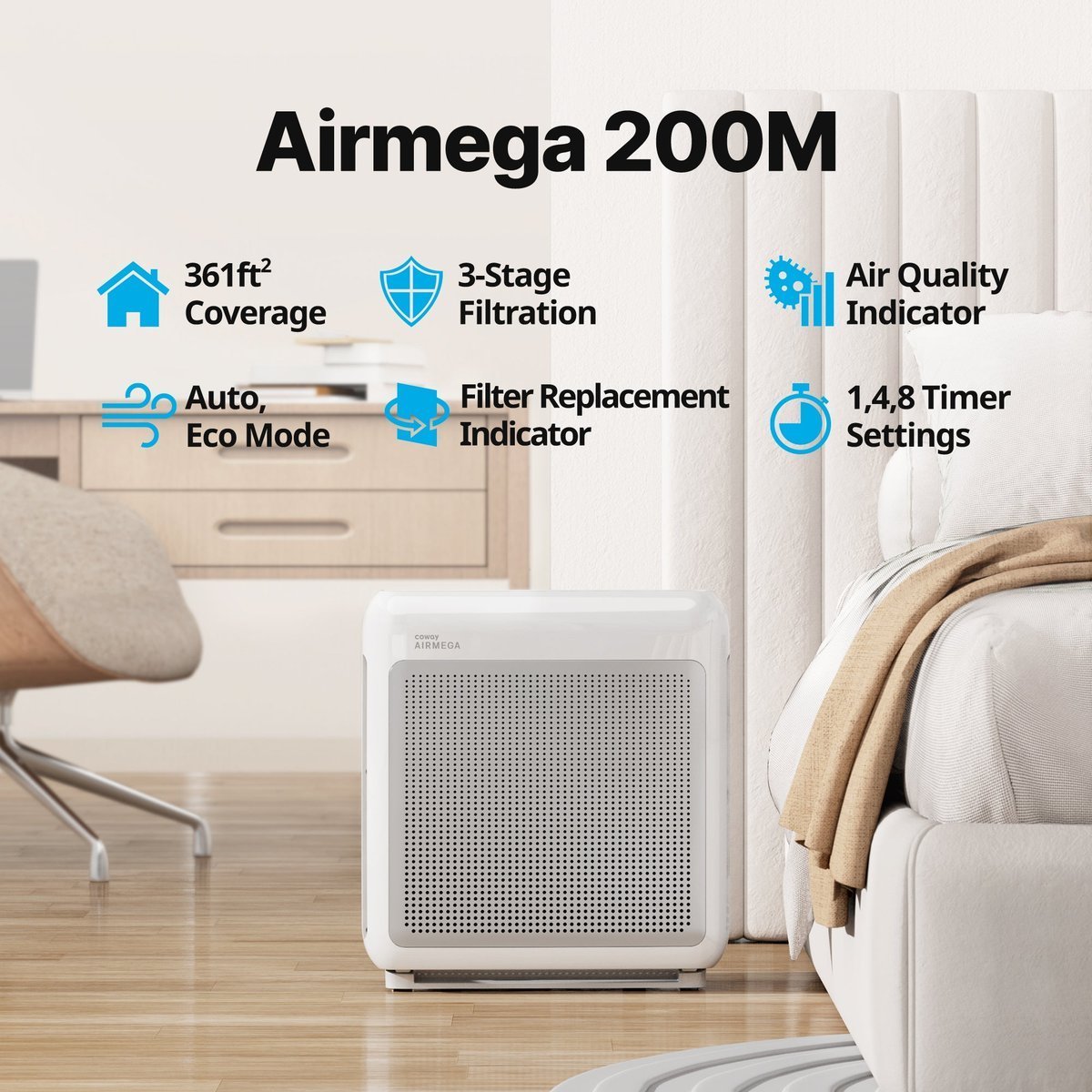
Coway Airmega 200M (White)
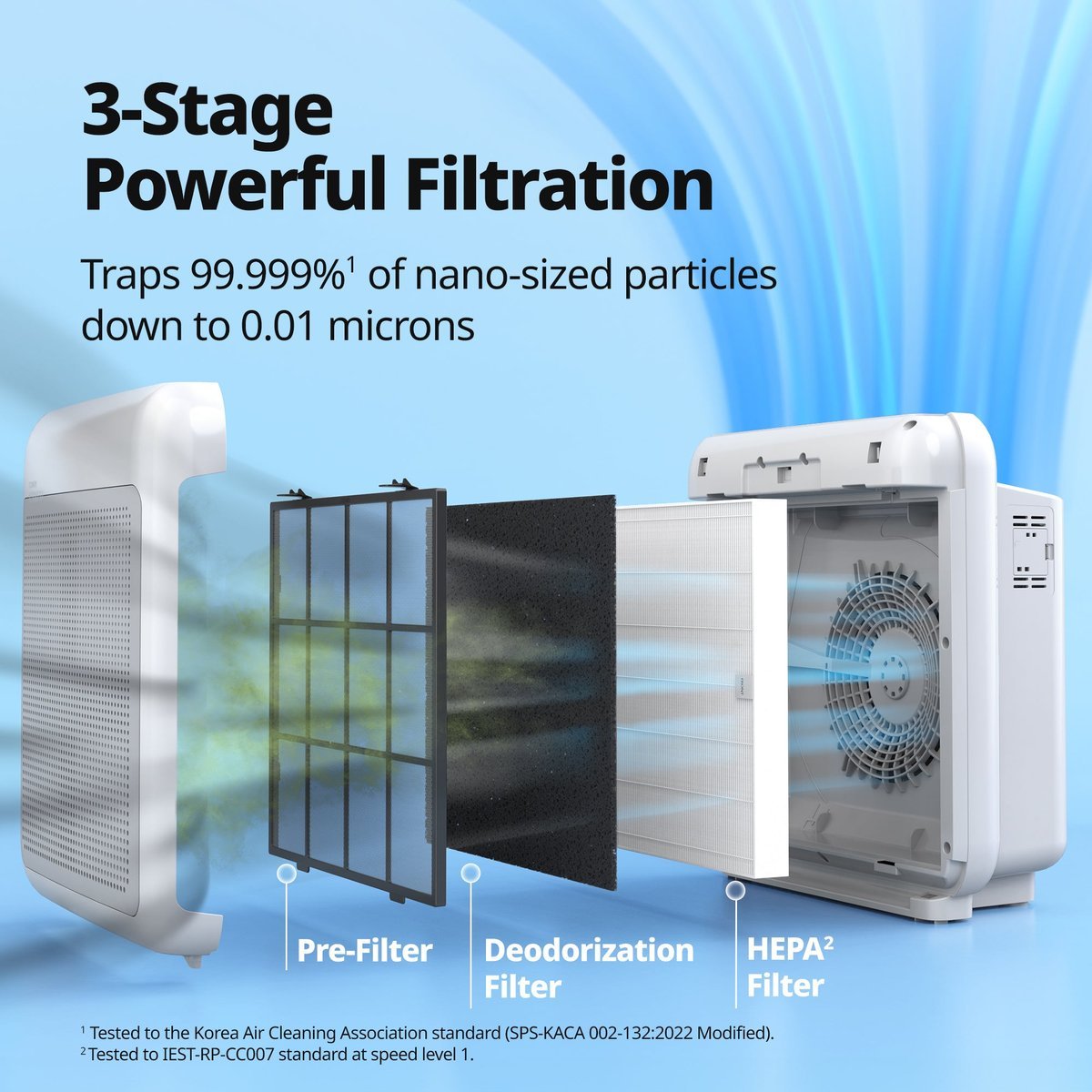
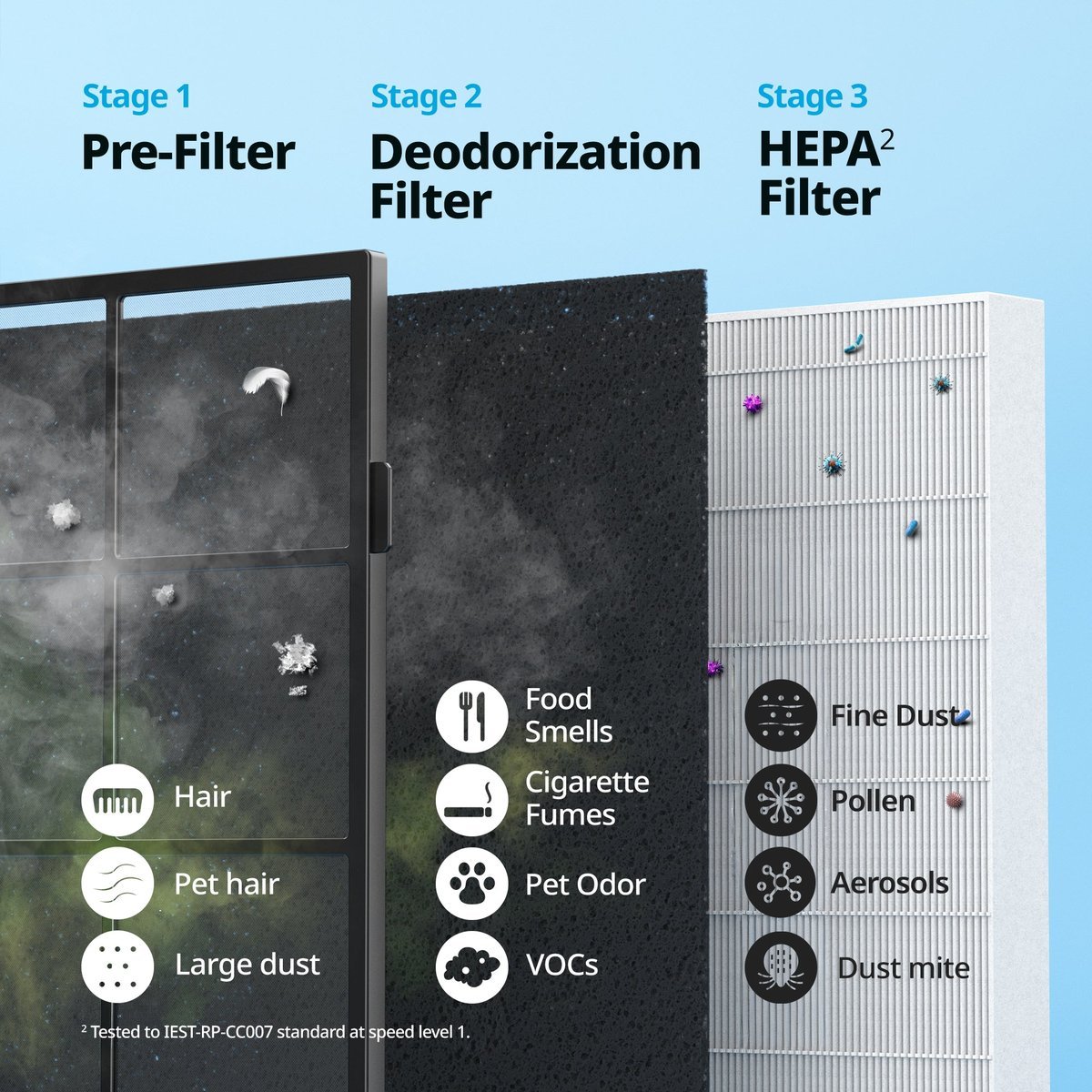
The 200M's differentiator is its carbon filter: per the hands-on comparison by Thehomepicker (March 2026), it carries a thicker activated carbon bed than the Levoit Core 400S, which translated into genuinely better odor handling for smoke, strong cooking smells and new-furniture off-gassing. For everyday pet smells and normal cooking, the same comparison found the difference versus the Levoit barely noticeable, so this pick earns its place specifically for odor-heavy homes, not as a general upgrade. The filtration stack is a washable pre-filter, a dedicated deodorization (activated carbon) filter and a True HEPA filter, and the carbon stage is a separate component rather than part of a combined cartridge, which suits an odor-first buyer. Coway rates the unit for rooms up to 361 sq ft at 4.8 air changes per hour, with auto and eco modes driven by an air-quality indicator, a 1, 4 or 8 hour timer, and filter replacement indicators for both the HEPA and odor filters. The built-in ionizer can be switched off, and we recommend leaving it off: carbon does the gas-removal work in this machine. Coway backs it with a 3-year limited manufacturer warranty. This is the pick for households where odors are the specific enemy: smokers, heavy cooks, and homes with multiple pets, at a mainstream price from an established brand.
- Thicker activated carbon bed than the Levoit Core 400S, per Thehomepicker's hands-on comparison, with genuinely better smoke and cooking-odor handling
- Separate deodorization (carbon) filter stage, so the carbon is its own replaceable component
- Auto and eco modes with a real-time air quality indicator, plus filter indicators for both filter stages
- 3-year limited manufacturer warranty (manufacturer specifications)
Reasons to avoid:
- The carbon-bed comparison rests on a single hands-on reviewer (Thehomepicker), not a lab test, and neither Coway nor third parties publish an exact carbon mass for the 200M
- No app, no Wi-Fi and no voice control: everything is done on the unit
- The ionizer stage should be left switched off; it adds nothing to odor removal
- Louder at top speed than the Levoit, at up to 53 dB (manufacturer specifications)
- Model: Airmega 200M(W), White finish
- Room size: up to 361 sq ft at 4.8 air changes per hour; 874 sq ft at 2 air changes per hour (manufacturer)
- Filtration: washable pre-filter, deodorization (activated carbon) filter, True HEPA filter
- Noise: 24 to 53 dB (manufacturer specifications)
- Dimensions / weight: 17 x 10 x 18 in (W x D x H); 12.3 lb
- Warranty: 3-year limited manufacturer warranty
Best for: odor-heavy homes, smokers, heavy cooks and multi-pet households, that want a thicker carbon bed at a mainstream price and do not need an app.
How to Choose an Air Purifier with Activated Charcoal
Start with carbon mass, not marketing words
"Activated carbon filter" is an unregulated phrase. It can mean pounds of pelleted carbon or a whisper-thin carbon-coated sheet. Gas adsorption capacity is directly tied to the quantity of carbon, and HouseFresh states this explicitly in their buying guidance, so treat the carbon quantity as the primary spec. If a manufacturer will not disclose it, that is information too. Carbon-impregnated fabric, the thin grey sheet in most budget purifiers, has very little actual carbon; HouseFresh's verdict is that it will not be enough for most odor or VOC problems. Look for filters described as containing carbon pellets, granules or a substantial dedicated carbon stage.
Size it with CADR, not room-size claims
Manufacturers' room-size claims assume different air-change rates. The honest math: you want roughly 5 air changes per hour in the room. A unit "rated for 1,500 sq ft" may assume barely 1 air change per hour, fine for a spec sheet and useless for actually cleaning air. Compare CADR figures at the same air-change standard before you compare headline room sizes.
Price the filters before you buy the machine
Carbon saturates. Unlike a HEPA filter that just clogs, a carbon filter stops adsorbing once its pores are full, and then it does nothing for gases. Replacement cadence for the picks here runs from about 6 to 8 months for the Levoit's combined cartridge to the Coway's separate filter stages, and heavy odor environments exhaust filters faster. The cheapest purifier can be the most expensive to own, so check the replacement filter cost on the listing before you commit.
Skip the extras that add pollutants
A purifier bought for cleaner air should not add pollutants. HouseFresh warns that UV-C technology has been shown to generate chemical byproducts like ozone during cleaning. Prefer units certified by the California Air Resources Board (CARB) as ozone-safe, and disable ionizer functions where present, including the Coway's. Carbon does the gas-removal work; the extras are marketing or worse.
Frequently Asked Questions
Yes. Activated charcoal is the best current technology for removing VOCs and odors from indoor air, per HouseFresh's test program. HEPA filters cannot remove gases; only the carbon stage handles them. Effectiveness scales with carbon quantity, so check the carbon weight or, where no weight is published, whether the unit has a substantial dedicated carbon stage.
Only partly. A HEPA filter traps smoke particles, which helps, but the smell of smoke and cooking is carried by gases that pass through HEPA media. That is why both picks here pair their HEPA stage with a real activated carbon stage, and why the Coway, with the thicker carbon bed in Thehomepicker's hands-on comparison, is the pick for odor-heavy homes.
It varies: about 6 to 8 months for the Levoit Core 400S's combined cartridge under normal use, per the manufacturer, and on the indicator schedule for the Coway 200M's separate stages. Carbon saturates with exposure whether or not the fan runs, so heavy odor environments exhaust filters faster. Check the replacement price before buying; it dominates the cost of ownership.
For mild odors in a small enclosed space such as a closet or a gym bag, bags help. They cannot replace a powered purifier for room-scale odors or VOCs: no fan means minimal air contact, and the carbon mass is tiny compared with even a budget purifier filter.
Our research covered six purifiers. Four of them, the IQAir HealthPro Plus, the Austin Air HealthMate, the Alen BreatheSmart 75i with the Fresh filter, and the AirFanta 3 Pro with Carbon, could not be verified to our standard at publication time: we could not confirm the exact Amazon variant for each from two independent sources, or the reviewed variant is no longer sold in the form the research describes. Rather than link them on guesswork, we removed them. The two picks above are the ones we could verify completely.
Final Recommendations
Match the carbon to the problem: everyday freshness, the Levoit; odors as the headline problem, the Coway. Size either one with CADR at 5 air changes per hour, and budget for its filters from day one.
Related Guides
- Best air purifier for dust
- CADR and room sizing, explained step by step
- HEPA filter types and replacement costs
- More home-comfort guides in our Home Comfort hub
Product photos: manufacturer-published brand photography from Levoit and Coway, shown for editorial review purposes. Performance figures are as reported by HouseFresh and Thehomepicker as cited in this guide; MoleMarket did not hands-on test these units. Prices and availability change; check the Amazon listing before you buy.