
"Best earbuds" is the most competitive query in personal audio, and the honest answer is that the best pair depends on your phone, your ears, and what you listen to. An iPhone owner and a Galaxy owner should not buy the same earbuds. Someone who wears them eight hours a day should not buy the same pair as someone who wears them on the train.
This guide covers three real, current earbuds across the buyer types that matter: the iPhone pick, the feature-complete all-rounder, and the budget standout. Every spec below comes from manufacturer documentation or named retailer spec listings. No invented test results, no fabricated ratings.
Inside: a direct recommendation, quick picks, an honest comparison table, three detailed reviews, a complete buying guide, earbud types explained, head-to-head comparisons, the mistakes buyers make, answers to real buyer questions, and a final verdict.
The direct answer: which earbuds should you buy?
Match the earbuds to your phone. For iPhone owners, the Apple AirPods Pro 3 is the best pick. The H2 chip, deep iOS integration, and genuinely useful new hardware (heart-rate sensing, live translation) make it the obvious default. For listeners who want the fullest feature set, the Technics EAH-AZ100 brings LDAC hi-res, Dolby Atmos with head tracking, and three-device multipoint. On a tight budget, the Soundcore P20i delivers the essentials for a fraction of flagship cost.
Buy something else if none of these fit. Fit is personal, and the best-sounding earbuds in the world are worthless if they fall out of your ears. Buy from a retailer with a sensible return policy.
Quick picks
Best for iPhone: Apple AirPods Pro 3. H2 chip, ANC up to 2x stronger than Pro 2 (Apple's claim), IP57, heart-rate sensor, Live Translation, up to 8 hours with ANC on (Apple's stated figure).
Best all-round features: Technics EAH-AZ100. 10mm magnetic fluid driver, LDAC, Dolby Atmos with head tracking, 3-device multipoint, up to 10 hours per charge / 28 hours total (Technics, AAC).
Best budget: Soundcore P20i. 10mm drivers, 10 hours per charge / 30 hours total, IPX5, 22 EQ presets in the Soundcore app. No ANC, the honest trade at this tier.
Detailed reviews: three earbuds examined honestly
Every review covers the same points: snapshot, documented specs, why it's here, who it's for / not for, strengths, limitations, and a verdict. We have not worn or listened to these earbuds. Picks are research-based: manufacturer documentation, retailer spec listings, and reputable coverage. No test results are claimed; comparative statements reflect the consensus of reputable coverage, not our own testing.
Apple AirPods Pro 3: Best earbuds for iPhone
Snapshot. The AirPods Pro 3 is Apple's current flagship earbud and the default recommendation for iPhone owners, not because of brand loyalty, but because the integration is genuinely deep: automatic switching, spatial audio with head tracking, Find My, and now health and translation features that live in the earbuds themselves. This generation's headline additions are a heart-rate sensor and Live Translation.
Key specs (Apple documentation, via reputable coverage). Apple H2 chip; Active Noise Cancellation stated as up to 2x stronger than AirPods Pro 2; Adaptive Transparency; in-ear heart-rate sensor (photoplethysmography, tracks 50+ workout types via the Fitness app); Live Translation (in-person conversation translation); IP57 dust, sweat, and water resistance; five ear-tip sizes including XXS; Apple's stated battery life: up to 8 hours with ANC on, up to 10 hours in Transparency mode; personalized spatial audio with dynamic head tracking.
Who should buy it: iPhone owners, full stop. The integration features only fully work in Apple's ecosystem. Fitness-focused listeners who want heart-rate data without a watch. Who shouldn't: Android owners (you'll pay for integration you can't use); anyone who wants LDAC hi-res wireless (Apple doesn't support it); listeners who need the absolute longest battery life.
Strengths: the deepest phone integration of any pick here; genuinely new hardware (heart-rate sensing in earbuds is still rare); IP57 is the strongest rating among the flagships; 8-hour ANC battery is a real step up. Limitations: ecosystem lock-in is the price of the integration; no LDAC/aptX hi-res codecs; premium tier.
Compares: the integration pick against feature-first and value-first alternatives. On an iPhone, nothing else here is as seamless.
Verdict: if you own an iPhone, start here and only look elsewhere for a specific reason.
Technics EAH-AZ100: Best all-round feature set
Snapshot. The Technics EAH-AZ100 is the connoisseur's all-rounder. A 10mm magnetic fluid driver (Technics' low-distortion driver technology), LDAC hi-res, Dolby Atmos with head tracking, and a standout party trick: three-device multipoint, so your phone, tablet, and laptop can all stay connected. It's the pick for the listener who wants everything on the spec sheet.
Key specs (Technics documentation, via B&H/stereonet). 10mm magnetic fluid driver; adaptive digital hybrid noise cancelling; Bluetooth 5.3; codecs LDAC, AAC, SBC, LC3 (+ LE Audio/Auracast support); Dolby Atmos with Dolby Head Tracking; 3-device multipoint; Voice Focus AI (3 mics per bud); Technics' stated battery: up to 10 hours per charge, 28 hours total with case (AAC); IPX4; Qi wireless charging + USB-C; Google Fast Pair; Technics Audio Connect app; ~5.9g per bud; five ear-tip sizes (incl. ML).
Who should buy it: multi-device users (phone + tablet + laptop). The 3-device multipoint is genuinely unique here; home-theater-in-your-head listeners (Dolby Atmos + head tracking); feature-maximalists. Who shouldn't: anyone who wants the simplest experience (the feature depth is the point, and the complexity); strict iPhone loyalists (AirPods integration still wins there).
Strengths: the longest stated per-charge battery here (10h); 3-device multipoint is a real differentiator; magnetic fluid driver is distinctive technology; Dolby Atmos + LDAC covers both the movie and music cases. Limitations: brand recognition lags the biggest phone brands (matters for resale, not sound); premium tier; Dolby Atmos content is still unevenly available.
Compares: the spec-sheet maximalist against simpler, more focused rivals. If you run three devices, nothing else here does what it does.
Verdict: the everything-earbud. Buy it for the feature set.
Soundcore P20i: Best budget earbuds
Snapshot. The Soundcore P20i (Anker's Soundcore brand) is the budget pick that doesn't feel like a punishment. It offers 10mm drivers, 10-hour stated per-charge battery, and a genuinely useful app with 22 EQ presets, at a price tier where most competitors offer a fraction of the features. The honest trade: no active noise cancellation.
Key specs (Soundcore user manual via manuals.plus). 10mm dynamic drivers; Bluetooth 5.3; stated playtime: up to 10 hours per charge, up to 30 hours with the charging case; 10-minute quick charge ≈ 2 hours playback; IPX5 water resistance; Soundcore app with 22 preset EQs + custom EQ; dual mics with AI call noise reduction; USB-C charging; simultaneous dual-device connection.
Who should buy it: budget buyers, backup-pair buyers, gym-bag buyers. Anyone who wants competent wireless earbuds for minimal spend. First-time wireless earbud buyers who aren't sure what matters to them yet. Who shouldn't: anyone who needs ANC (it doesn't have it, so step up to one of the ANC picks above); critical listeners (the tuning is bass-forward fun, not reference).
Strengths: the battery figures embarrass earbuds costing multiples more; the app's 22 EQ presets give real tuning control; IPX5 beats several flagships' IPX4; dual-device connection at this tier is generous. Limitations: no ANC, full stop; no wireless charging; no hi-res codecs; build and materials reflect the tier.
Compares: the value floor that makes you question the flagships. Unless you need ANC, silence, or hi-res, in which case the flagships earn their keep.
Verdict: the budget default. Maximum earbud per dollar.
The complete earbuds buying guide
Start with your phone
This is the highest-leverage decision. AirPods Pro 3 features (spatial audio personalization, automatic switching, Live Translation) need an iPhone. On a Pixel or other Android, the Technics (LDAC) or the Soundcore budget pick make more sense than the ecosystem flagship. Cross-ecosystem buying pays flagship money for features you can't use.
Fit beats specs
The best-sounding earbuds are worthless if they fall out. Every pick here includes multiple tip sizes. Try them all, including foam tips if supplied. If nothing seals, consider that the problem might be the form factor, not the model, and buy from a retailer with a sensible return policy.
Noise cancelling vs. noise isolation
Active noise cancellation (AirPods Pro 3, Technics) uses microphones and processing to cancel sound. It is best for low-frequency drone (planes, trains, offices). Passive isolation physically blocks sound. It is excellent for all frequencies but dependent on seal. ANC needs battery and adds cost; isolation needs fit and adds nothing. For maximum quiet, strong ANC plus a good seal is the combination.
Codecs: the alphabet soup, briefly
Codecs determine how much audio data reaches the earbuds over Bluetooth. SBC/AAC are universal (AAC is Apple's preference). LDAC (Technics) carries hi-res audio on Android. LC3 is the efficient newcomer (Bluetooth LE Audio). Practical take: if you stream Spotify/Apple Music at standard quality, codecs barely matter; if you stream hi-res (Qobuz, Tidal, Apple Lossless), match the codec to your phone.
Battery life: read the conditions
Manufacturer figures assume moderate volume and specific settings. ANC on/off, codec choice, and features like spatial audio all move the numbers. Compare like-for-like (ANC-on figures against ANC-on figures), and remember the case matters as much as the buds: 6 hours per charge with 18 more in the case beats 8 hours with no case reserve. Quick-charge figures (10 min ≈ 2h on the Soundcore) matter more in practice than maximums.
Water resistance: IP ratings decoded
IPX4 (Technics) means splash/sweat resistant, fine for workouts and rain. IPX5 (Soundcore) means stronger water jets. IP57 (AirPods Pro 3) means dust-tight plus immersion protection, the strongest here. Ratings apply to the buds, not always the case.
Calls and microphones
If you take calls on the move, microphone count and processing matter: the Technics' Voice Focus AI targets wind and background noise. No spec sheet tells you how calls actually sound in wind. This is where reputable hands-on reviews earn their keep, so check them for your shortlist.
Earbud types explained
True wireless earbuds (all three picks) use two separate buds plus a charging case. They are the default in 2026. Sub-types here: the ecosystem flagship (AirPods Pro 3), the feature-packed all-rounder (Technics), and the budget pick (Soundcore).
Wired in-ear monitors use a cable to a 3.5mm jack (or USB-C/Lightning via adapter/dongle). They offer zero latency, no battery, and maximum reliability. They are a different buying decision, not covered by the picks in this guide.
Neckband and neckband-style: not covered here. They are a shrinking category between true wireless and wired, mostly for call-heavy office use.
Open-ear / clip-on: not covered here. They trade sound isolation for situational awareness (running, cycling). A different buying decision.
Bone conduction: not earbuds at all (sound via cheekbones). They are relevant for swimmers and runners who need ears fully open. Out of scope for this roundup.
Head-to-head: the comparisons that matter
AirPods Pro 3 vs. Technics EAH-AZ100: integration vs. features. The AirPods win on iPhone integration (automatic switching, spatial audio personalization, Find My, heart-rate sensing, Live Translation). The Technics wins on the spec sheet (magnetic fluid driver, LDAC, Dolby Atmos with head tracking, three-device multipoint, 10-hour stated battery). The deciding factor is the phone in your pocket and how many devices you run, not the spec sheet alone.
Soundcore P20i vs. the flagships: the value question. The P20i gives you 10-hour battery, an EQ app, and IPX5 for a fraction of flagship cost. What the extra money buys: ANC (both the AirPods Pro 3 and the Technics have it; the P20i doesn't), hi-res codecs, wireless charging, and premium build. If you don't need ANC, the value argument is genuinely difficult for the flagships.
7 mistakes to avoid when buying earbuds
1. Buying the wrong ecosystem's flagship. AirPods features need an iPhone. Cross-ecosystem flagship purchases waste the integration premium, the single most common expensive mistake.
2. Skipping the tip-fitting process. Most "bad earbuds" are bad fits. Try every tip size in the box before judging sound quality. A poor seal murders bass and ruins ANC, and foam tips fix many fit problems.
3. Paying for ANC you won't use. If you listen in quiet rooms, ANC is dead weight on the price and the battery. The Soundcore P20i exists precisely for this buyer.
4. Ignoring the return policy. Ears differ more than spec sheets suggest. The right retailer policy (free returns, 30-day windows) is worth more than any review, including this one.
5. Chasing codec specs for standard streaming. LDAC and SSC-UHQ matter for hi-res streaming services. If your library is Spotify at default quality, any modern codec is transparent. Don't pay extra for letters that don't change what you hear.
6. Forgetting the case in battery math. Six hours per charge sounds short until you add 20+ hours of case reserve. Compare total system battery (buds + case), not just per-charge figures, and note quick-charge specs, which matter more day-to-day.
7. Buying wireless when your use case is wired. Gamers, video editors, and musicians need zero latency; travelers want airplane-system compatibility. For these buyers a wired set isn't a compromise. It's the right tool.
Best earbuds FAQs
Which earbuds are best overall? There is no single best. It depends on your phone. For iPhone owners, the AirPods Pro 3 (integration, heart-rate sensing, IP57). For Android owners who want features and hi-res, the Technics EAH-AZ100. For budget buyers, the Soundcore P20i. Match the pick to the phone and priority, not to a crown.
Are expensive earbuds worth it over budget ones? It depends what you need. The Soundcore P20i covers the basics (wireless, 10-hour battery, EQ app) for a fraction of flagship cost. Flagship money buys ANC, hi-res codecs, wireless charging, premium mics, and ecosystem integration. If you don't need ANC, the budget case is strong; if you fly weekly, ANC pays for itself.
Do I need noise cancelling? If you commute, fly, or work in noisy spaces, yes, it's transformative. If you listen mostly in quiet rooms, it's an expensive battery drain you won't use. Try to be honest about your actual listening environments before paying the ANC premium.
How long do earbud batteries last? Manufacturer-stated per-charge figures here range from 8 hours (AirPods Pro 3, ANC on) to 10 hours (Technics, Soundcore P20i). Total system life (buds + case) is 28 hours for the Technics and 30 hours for the Soundcore. Real-world life varies with volume, ANC, and codec. Treat stated figures as best-case.
Can you wear earbuds for working out? Check the IP rating and fit. IPX4 and above handles sweat; IP57 (AirPods Pro 3) is the most protected. Fit matters more than the rating. Buds that fall out mid-run are useless regardless of IP code. None of these picks are marketed as swim-proof.
What's the difference between ANC and noise isolation? ANC uses microphones and processing to cancel sound electronically (best for constant low-frequency drone). Passive isolation physically blocks sound with a sealed fit. ANC needs battery power; isolation needs a good seal. The quietest setups combine both.
Why do my earbuds keep falling out? Usually tip size, not the earbuds. Try every size in the box. Most people never try the smallest or largest. Foam tips (included with several picks here) expand to fill the canal and fix many fit problems. If nothing seals, the form factor may not suit your ears. Use the return policy.
Final verdict
The best earbuds are the ones matched to your phone and your ears. iPhone owners: AirPods Pro 3. Feature maximalists and multi-device users: Technics EAH-AZ100. Budget buyers: Soundcore P20i.
Whatever you shortlist, do two things before buying: try every ear tip in the box, and confirm the return policy. Ears are more variable than spec sheets. The right fit beats the right flagship.
Quick Picks
Short on time? These are our top recommendations. Each button takes you to the exact product on Amazon.

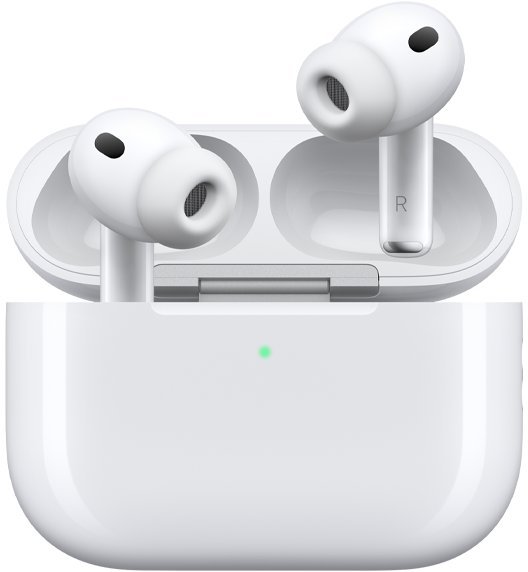

Apple AirPods Pro 3
The AirPods Pro 3 is Apple's current flagship earbud and the default recommendation for iPhone owners, not because of brand loyalty, but because the integration is genuinely deep: automatic switching, spatial audio with head tracking, Find My, and now health and translation features that live in the earbuds themselves. This generation's headline additions are a heart-rate sensor and Live Translation.
- Deepest phone integration: auto switching, spatial audio with head tracking, Find My
- In-ear heart-rate sensor and Live Translation
- IP57, the strongest dust/water rating among the flagships
- 8-hour ANC battery per charge
- Ecosystem lock-in is the price of the integration: Android owners pay for integration they can't use.
- No LDAC/aptX hi-res codecs.
- Premium tier.
- Chip: Apple H2
- ANC: Up to 2x stronger than AirPods Pro 2 (Apple claim)
- Features: In-ear heart-rate sensor; Live Translation; Adaptive Transparency
- Rating: IP57 dust/sweat/water
- Battery: Up to 8h (ANC on), up to 10h (Transparency)
Best for: iPhone owners who want the most seamless earbud experience

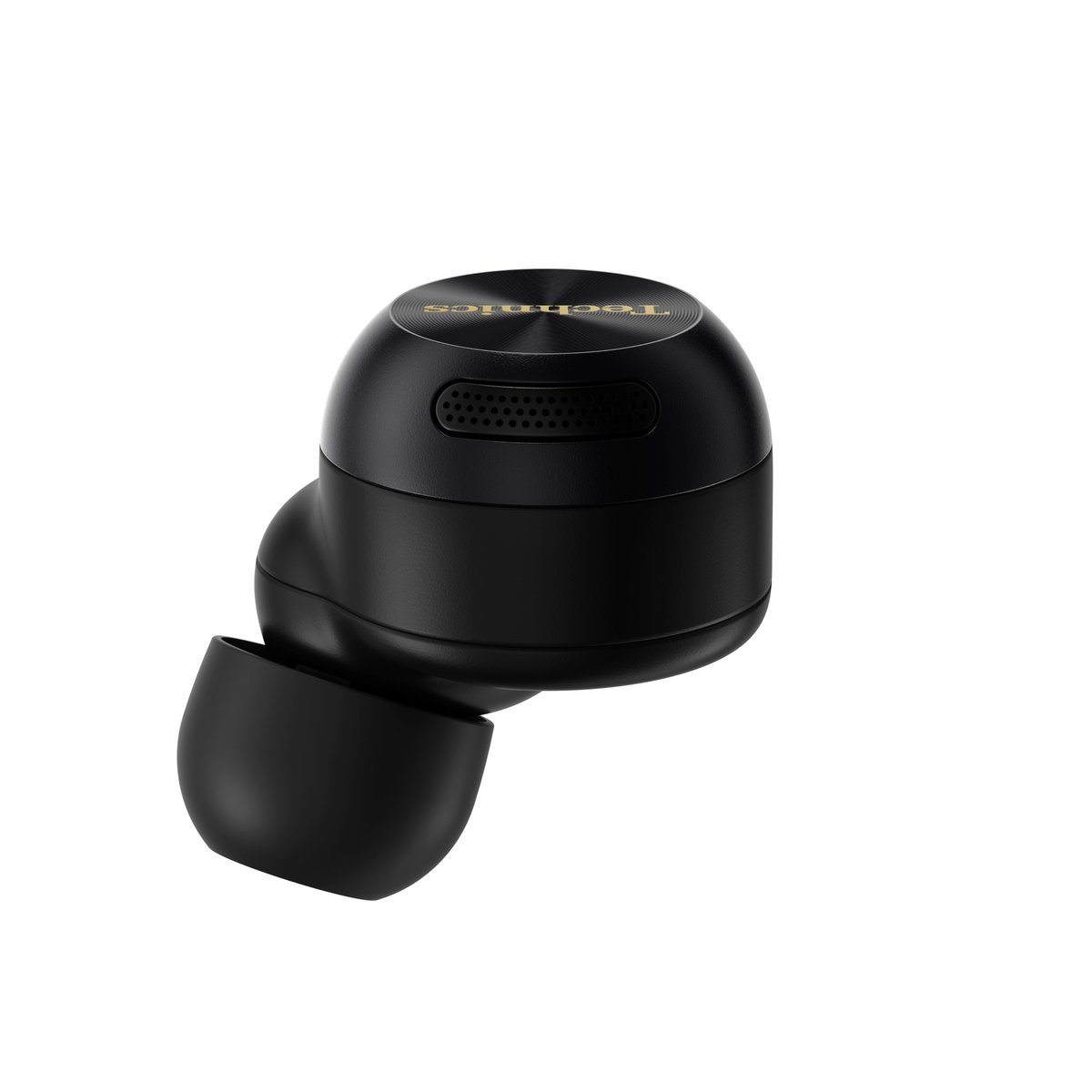
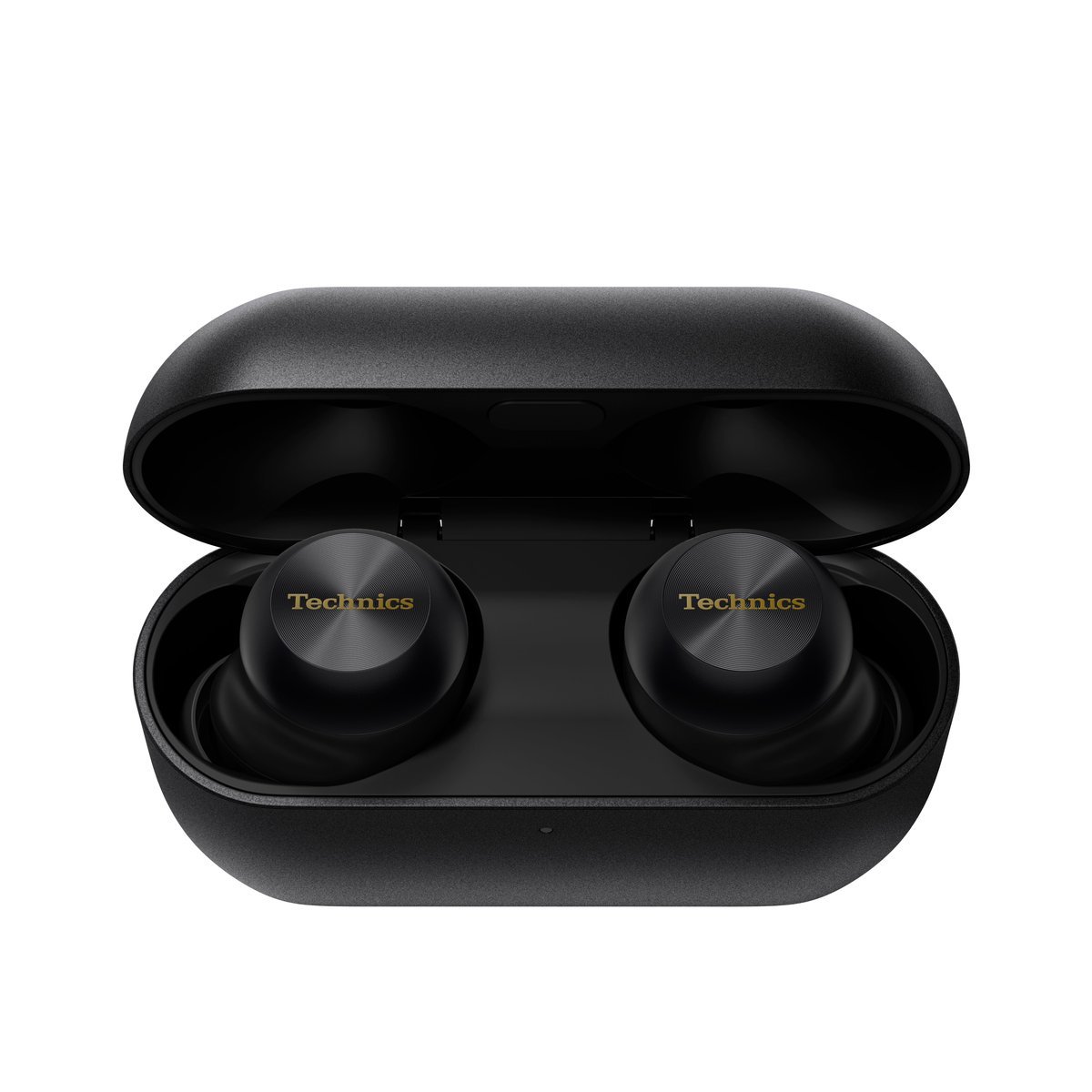
Technics EAH-AZ100
The Technics EAH-AZ100 is the connoisseur's all-rounder. A 10mm magnetic fluid driver (Technics' low-distortion driver technology), LDAC hi-res, Dolby Atmos with head tracking, and a standout party trick: three-device multipoint, so your phone, tablet, and laptop can all stay connected. It's the pick for the listener who wants everything on the spec sheet.
- 10mm magnetic fluid driver (Technics' low-distortion driver technology)
- LDAC hi-res + Dolby Atmos with head tracking
- Three-device multipoint, genuinely unique here
- Longest stated per-charge battery here: 10 hours
- Brand recognition lags the biggest phone brands (matters for resale, not sound).
- Premium tier.
- Dolby Atmos content is still unevenly available.
- Driver: 10mm magnetic fluid driver
- Codecs: LDAC, AAC, SBC, LC3 (+ LE Audio/Auracast)
- Audio: Dolby Atmos with Dolby Head Tracking
- Battery: Up to 10h per charge, 28h total (AAC, Technics figures)
- Features: 3-device multipoint; Voice Focus AI; Qi + USB-C; IPX4
Best for: Multi-device users and feature-maximalists who want everything on the spec sheet
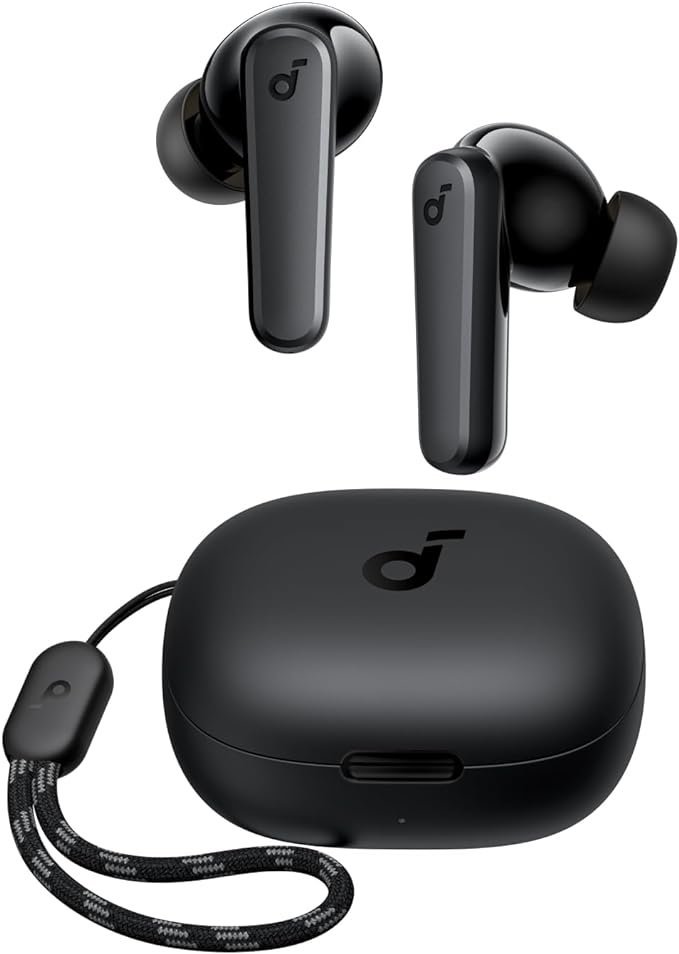

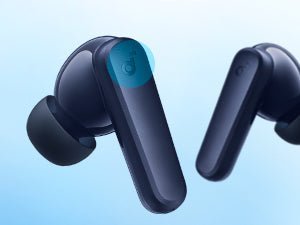
Soundcore P20i
The Soundcore P20i (Anker's Soundcore brand) is the budget pick that doesn't feel like a punishment. It offers 10mm drivers, 10-hour stated per-charge battery, and a genuinely useful app with 22 EQ presets, at a price tier where most competitors offer a fraction of the features. The honest trade: no active noise cancellation.
- 10mm drivers with punchy bass and 22 EQ presets in the app
- 10h per charge / 30h total, embarrassing far pricier earbuds
- IPX5 water resistance
- Dual-device connection at this tier
- No ANC, full stop.
- No wireless charging.
- No hi-res codecs.
- Build and materials reflect the tier.
- Driver: 10mm dynamic drivers
- Battery: Up to 10h per charge; 30h total with case
- Rating: IPX5 water resistance
- App: Soundcore app: 22 EQ presets + custom EQ
- Features: Dual mics + AI call noise reduction; USB-C; dual-device connection
Best for: Budget buyers, backup-pair buyers, gym-bag buyers
| Product | Key Specs | Best Use Case | Standout Feature | Amazon Link |
|---|---|---|---|---|
| Apple AirPods Pro 3 Best earbuds for iPhone |
H2 chip; ANC 2x Pro 2 (Apple claim); IP57; 8h ANC | iPhone daily use, workouts, travel | Deepest iPhone integration | Check Price |
| Technics EAH-AZ100 Best all-round feature set |
10mm magnetic fluid driver; LDAC; Dolby Atmos; 10h | Multi-device, movies + music | Spec-sheet maximalist | Check Price |
| Soundcore P20i Best budget earbuds |
10mm drivers; 10h/30h battery; IPX5 | Budget daily use, gym | Value floor | Check Price |
Final Recommendations
Best earbuds for iPhone: Apple AirPods Pro 3. The default iPhone pick: nothing else integrates this deeply with iOS
Best all-round feature set: Technics EAH-AZ100. The everything-earbud: buy it for the feature set
Best budget earbuds: Soundcore P20i. The budget default: maximum earbud per dollar
Product photos: manufacturer-published images from Apple, Technics, and Soundcore. Specifications are manufacturers' figures as published.